• About
  • Yuyang’s Blog
  • Resources

Contents

  • Mathematics Basic
  • Computer Basics & Algorithms
  • Introduction to AI
  • Machine Learning & Deep Learning Basic
  • Applications
    • Computer Vision
    • Natural Language Processing
    • Reinforcement Learning & Robotics
    • Generative Models
    • Others
  • ML/DL System & Hardware
  • Other Resources
    • Youtuber
    • Blogs
    • Books

Resources

This page is a collection of resources for learning machine learning, deep learning, and artificial intelligence. It includes online courses, books, blogs, and YouTube channels. The resources are categorized into different sections based on the topics. The resources are collected from various sources and are free to access. The page is updated regularly with new resources.

Mathematics Basic

THis is is some content about mathematics

MIT 18.01: Single Variable Calculus
⭐️⭐️⭐️⭐️⭐️
MIT’s 18.01 Single Variable Calculus is a foundational mathematics course covering differential and integral calculus. It focuses on the fundamental concepts of…
MIT 18.02: Multivariable Calculus
⭐️⭐️⭐️⭐️⭐️
MIT’s 18.02 Multivariable Calculus extends the principles of single-variable calculus to functions of multiple variables. It introduces partial derivatives, *multiple…

MIT 18.06: Linear Algebra
⭐️⭐️⭐️⭐️⭐️
MIT’s 18.06 Linear Algebra is a foundational course that explores the fundamental concepts of vectors, matrices, determinants, eigenvalues, and linear transformations.…

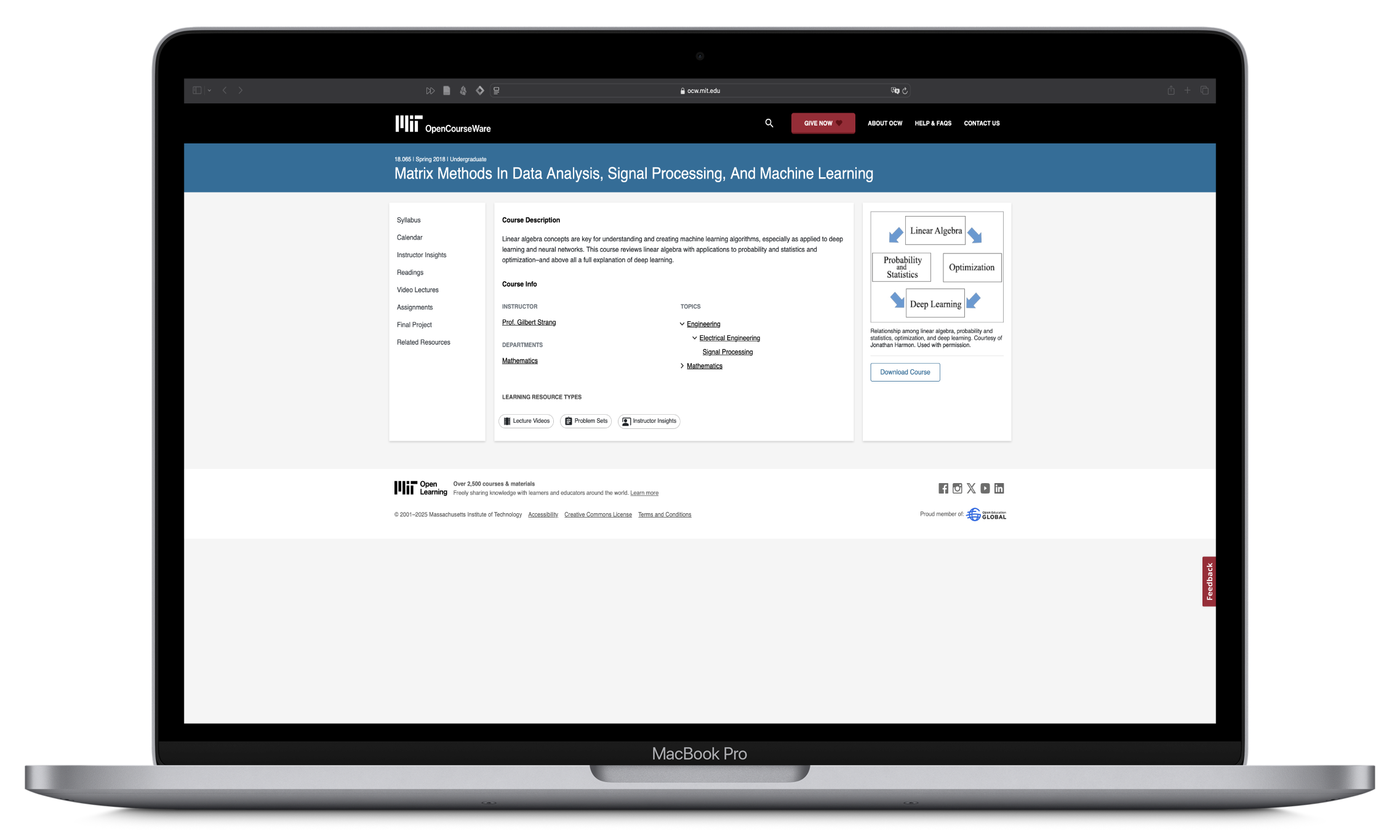
MIT 18.065: Matrix Methods in Data Analysis, Signal Processing, and Machine Learning
⭐️⭐️⭐️⭐️
MIT’s 18.065 Matrix Methods in Data Analysis, Signal Processing, and Machine Learning is an applied mathematics course that explores the **use of matrix algebra in data…
MIT

MIT 18.S096: Matrix Calculus For Machine Learning And Beyond
⭐️⭐️⭐️
MIT’s 18.S096 Matrix Calculus for Machine Learning and Beyond is an advanced mathematics course designed to provide a deep understanding of matrix calculus and its…

Stanford CS109: Probability for Computer Scientists
NN
Basic
In this blog, I am going to summary the 5 most common generative models: Auto-Regreesive Model, Variational AutoEncoder, Engery Based Model, Flow Model and Diffusion Model.…
Stanford

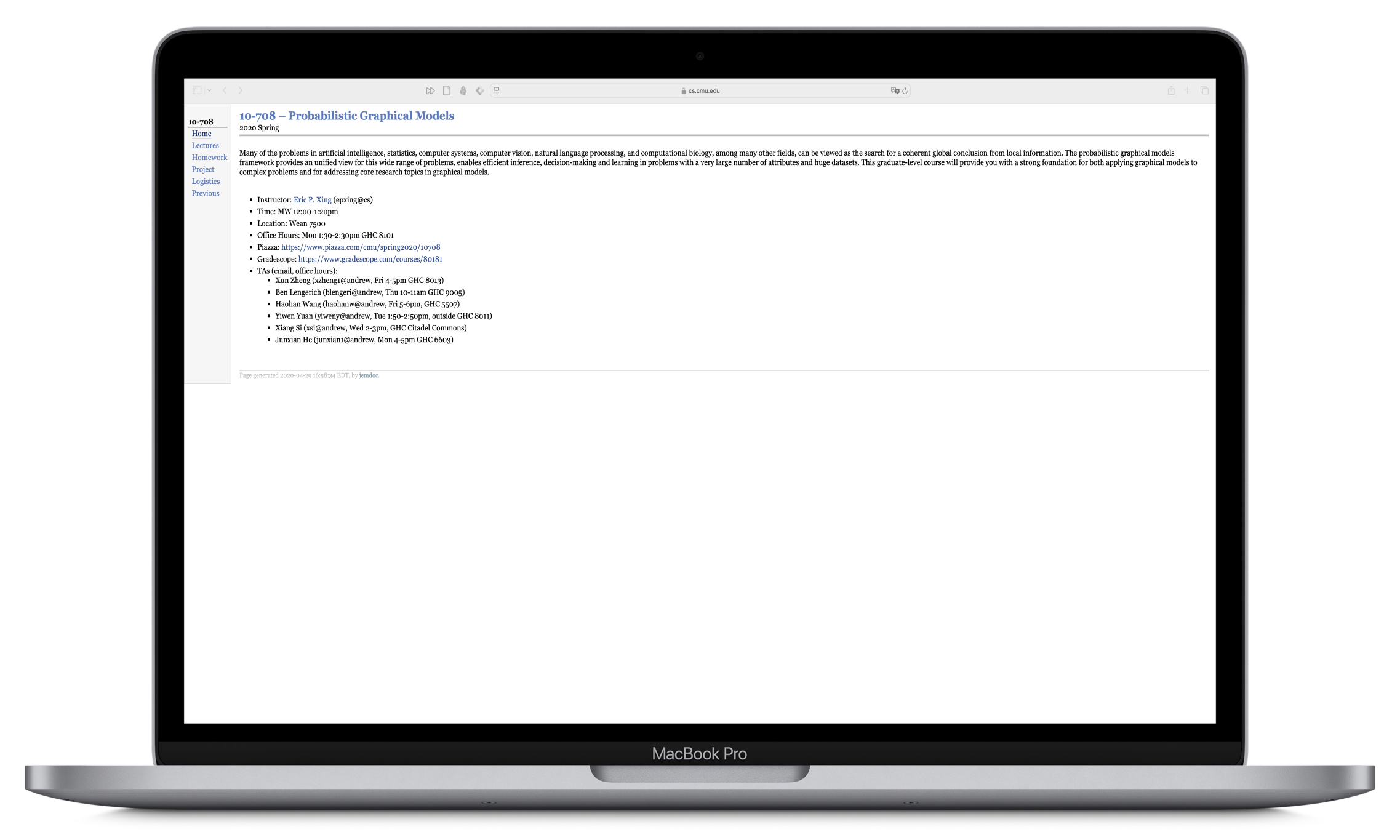
CMU 10-708: Probabilistic Graphical Models
NN
Basic
In this blog, I am going to summary the 5 most common generative models: Auto-Regreesive Model, Variational AutoEncoder, Engery Based Model, Flow Model and Diffusion Model.…
Stanford

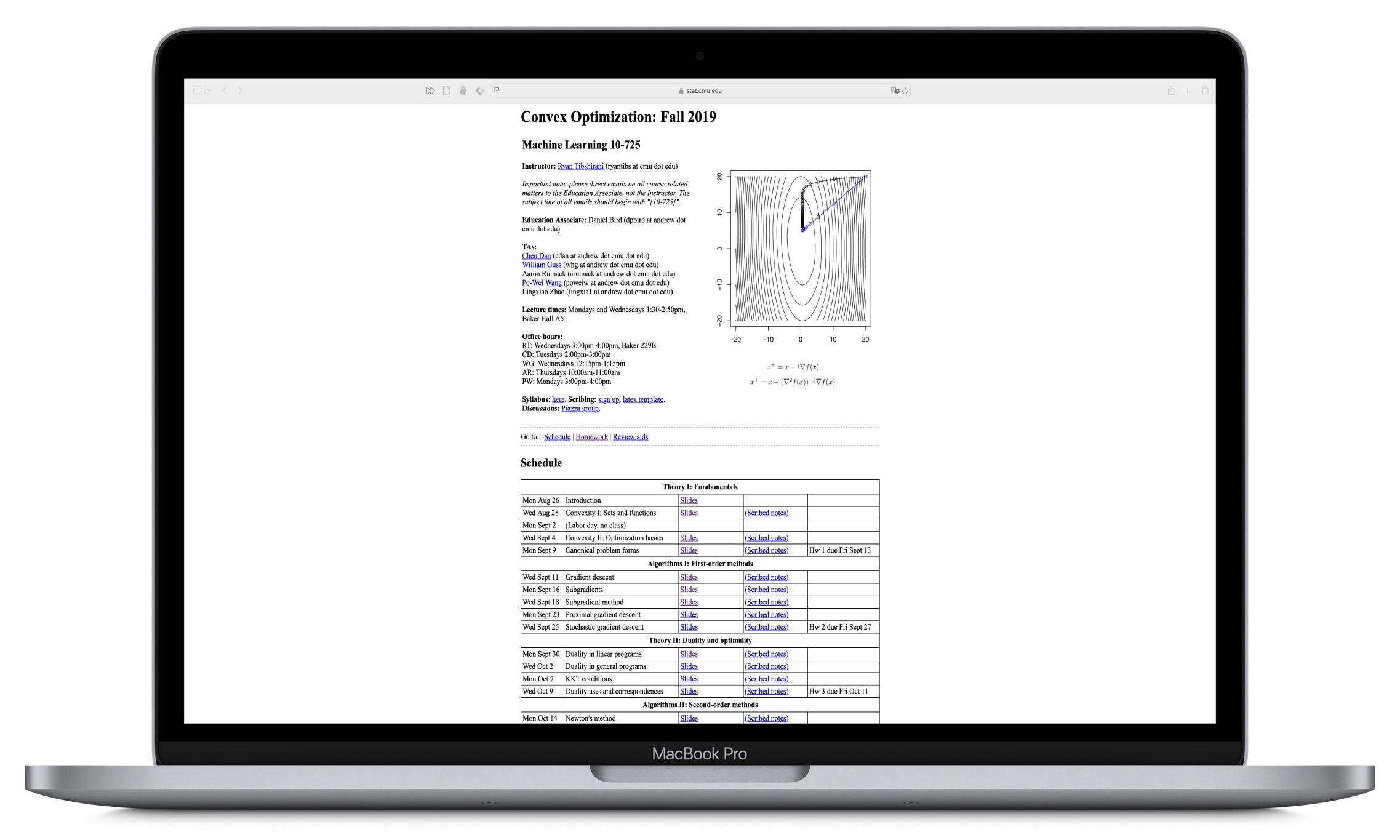
CMU 10-725: Convex Optimization
NN
Basic
In this blog, I am going to summary the 5 most common generative models: Auto-Regreesive Model, Variational AutoEncoder, Engery Based Model, Flow Model and Diffusion Model.…
Stanford

MIT RES.18-009: Learn Differential Equations: Up Close With Gilbert Strang And Cleve Moler
NN
Basic
In this blog, I am going to summary the 5 most common generative models: Auto-Regreesive Model, Variational AutoEncoder, Engery Based Model, Flow Model and Diffusion Model.…
Stanford
No matching items

Computer Basics & Algorithms

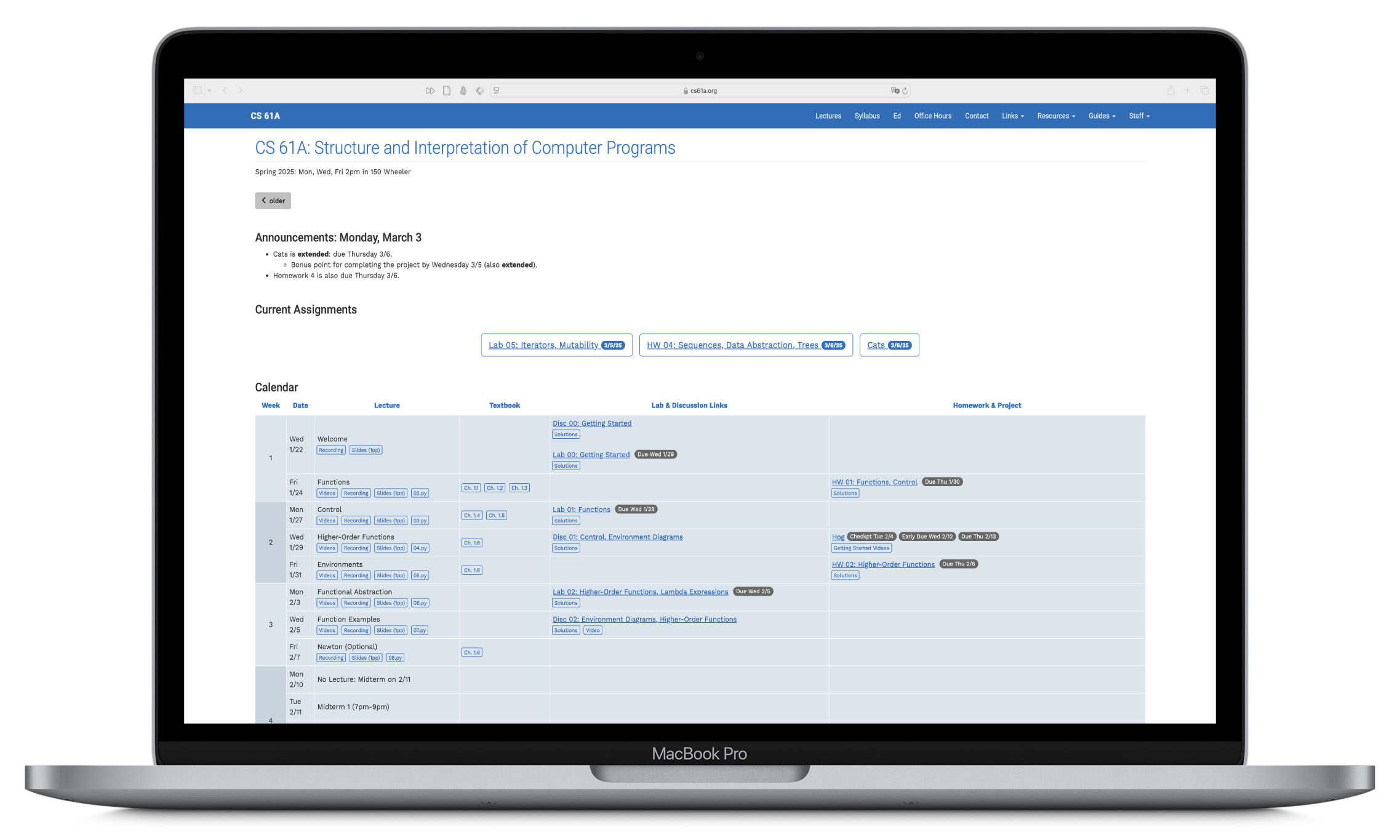
UCB CS 61A: Structure and Interpretation of Computer Programs
NN
Basic
In this blog, I am going to summary the 5 most common generative models: Auto-Regreesive Model, Variational AutoEncoder, Engery Based Model, Flow Model and Diffusion Model.…
Stanford

MIT 6.006: Introduction To Algorithms
NN
Basic
In this blog, I am going to summary the 5 most common generative models: Auto-Regreesive Model, Variational AutoEncoder, Engery Based Model, Flow Model and Diffusion Model.…
Stanford

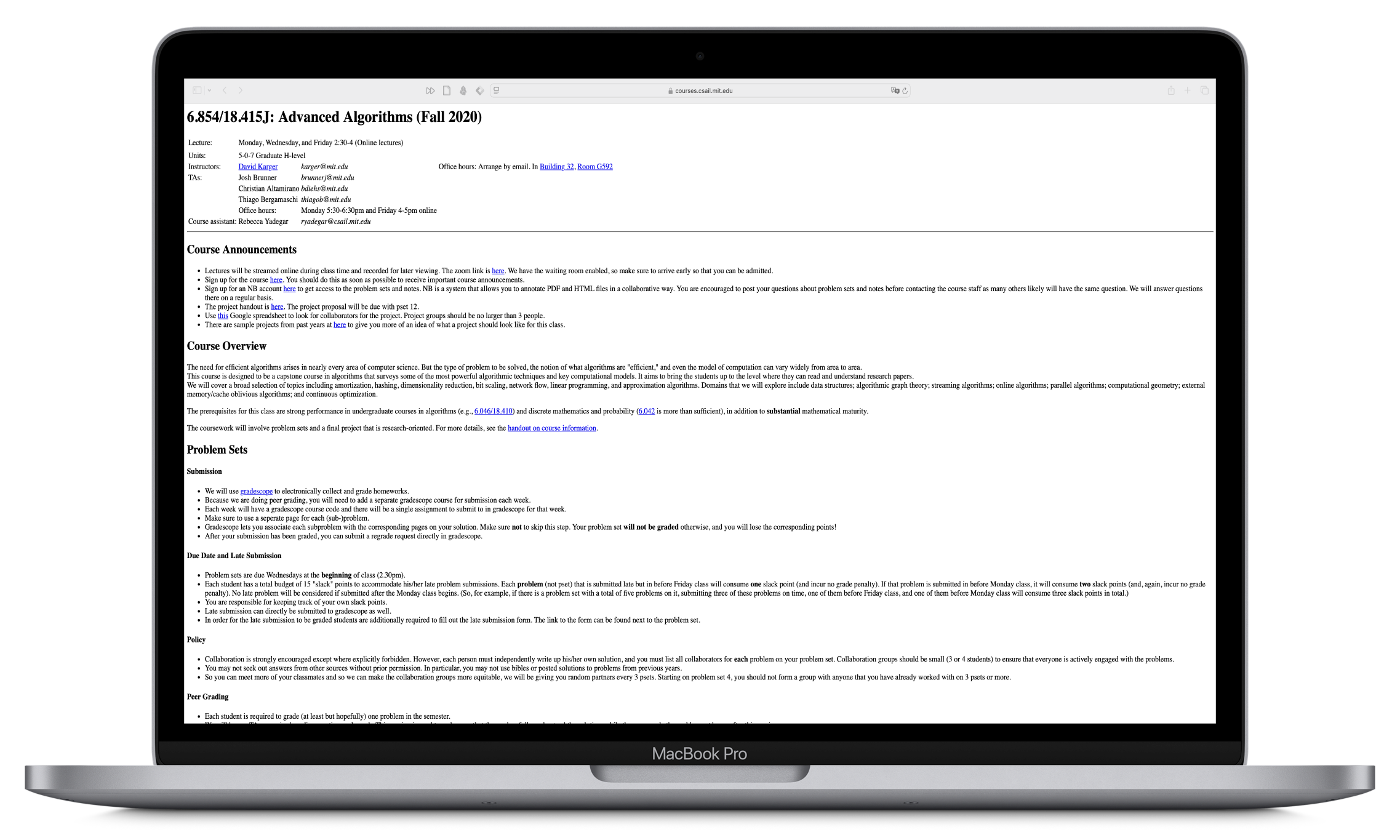
MIT 6.854/18.415J: Advanced Algorithms
NN
Basic
In this blog, I am going to summary the 5 most common generative models: Auto-Regreesive Model, Variational AutoEncoder, Engery Based Model, Flow Model and Diffusion Model.…
MIT

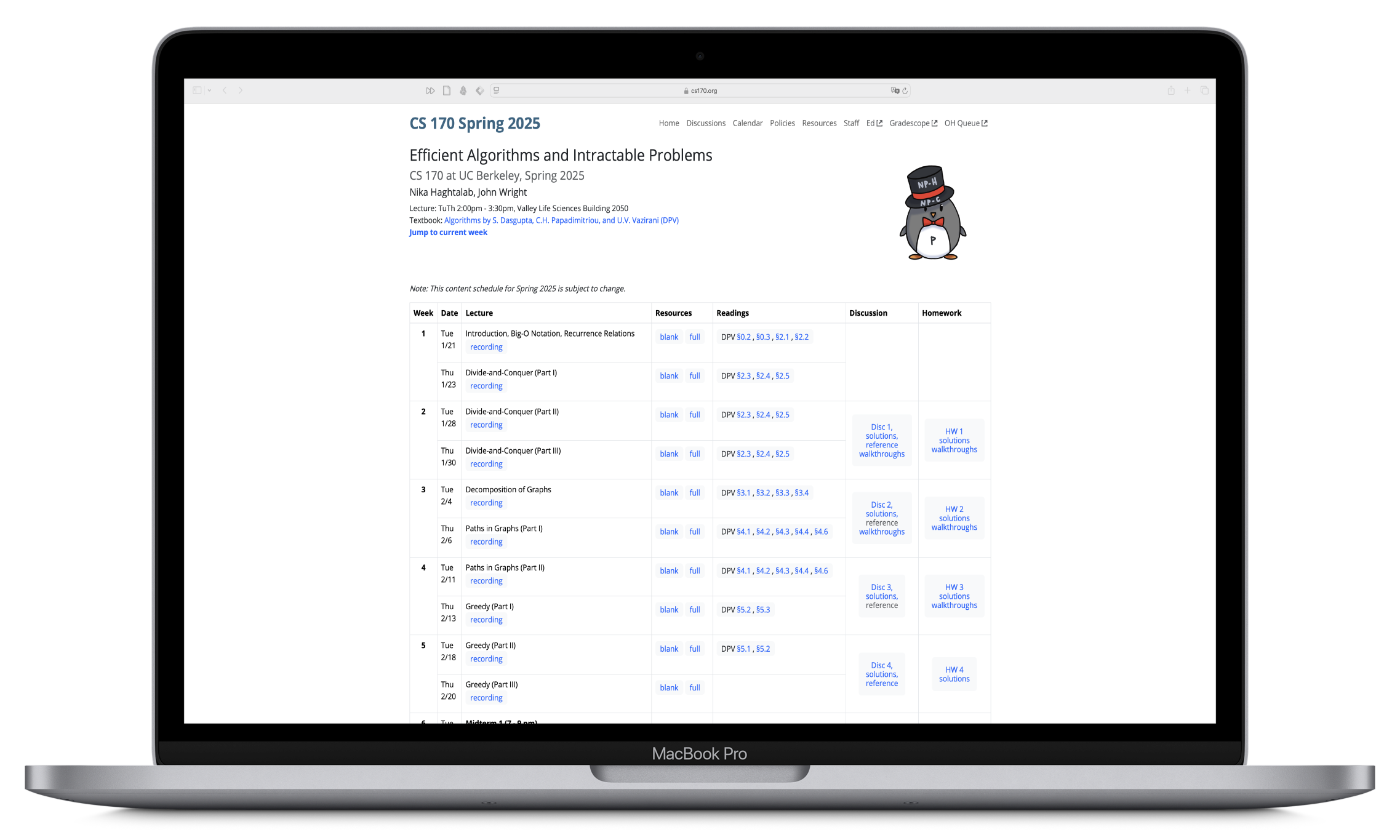
UCB CS170: Efficient Algorithms and Intractable Problems
NN
Basic
In this blog, I am going to summary the 5 most common generative models: Auto-Regreesive Model, Variational AutoEncoder, Engery Based Model, Flow Model and Diffusion Model.…
Stanford

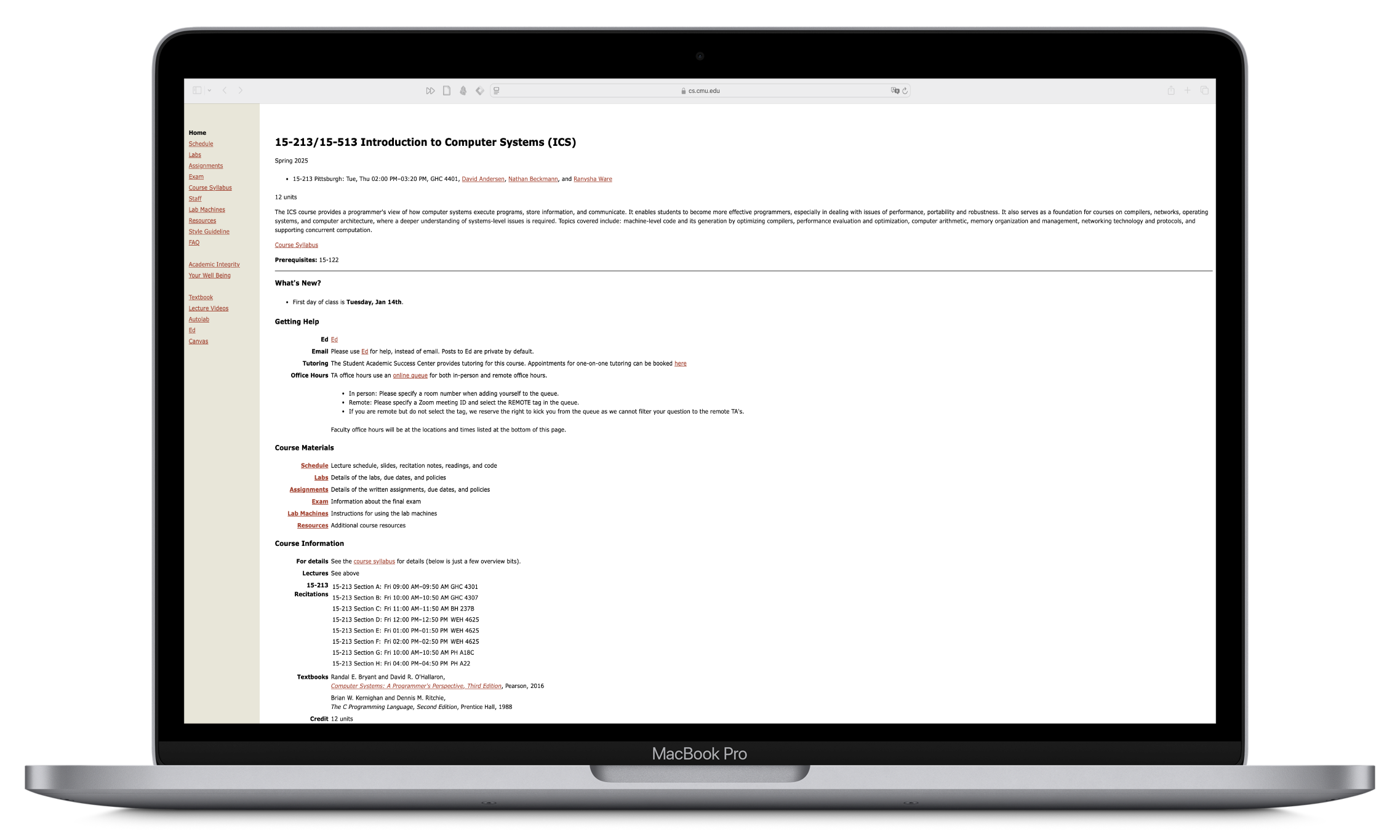
CMU 15-213: Introduction to Computer Systems
NN
Basic
In this blog, I am going to summary the 5 most common generative models: Auto-Regreesive Model, Variational AutoEncoder, Engery Based Model, Flow Model and Diffusion Model.…
CMU

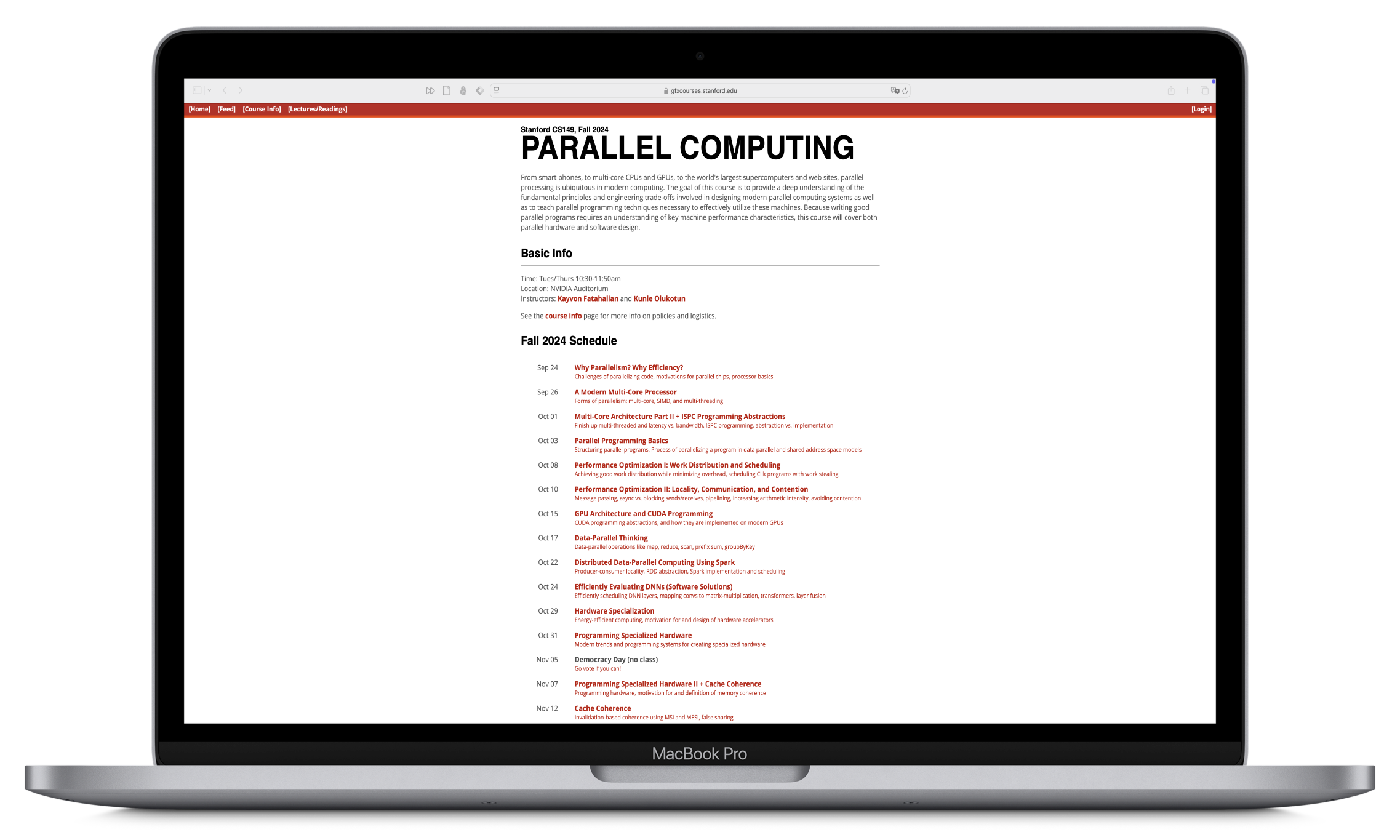
Stanford CS149: Parallel Computing
NN
Basic
In this blog, I am going to summary the 5 most common generative models: Auto-Regreesive Model, Variational AutoEncoder, Engery Based Model, Flow Model and Diffusion Model.…
Stanford
No matching items

Introduction to AI

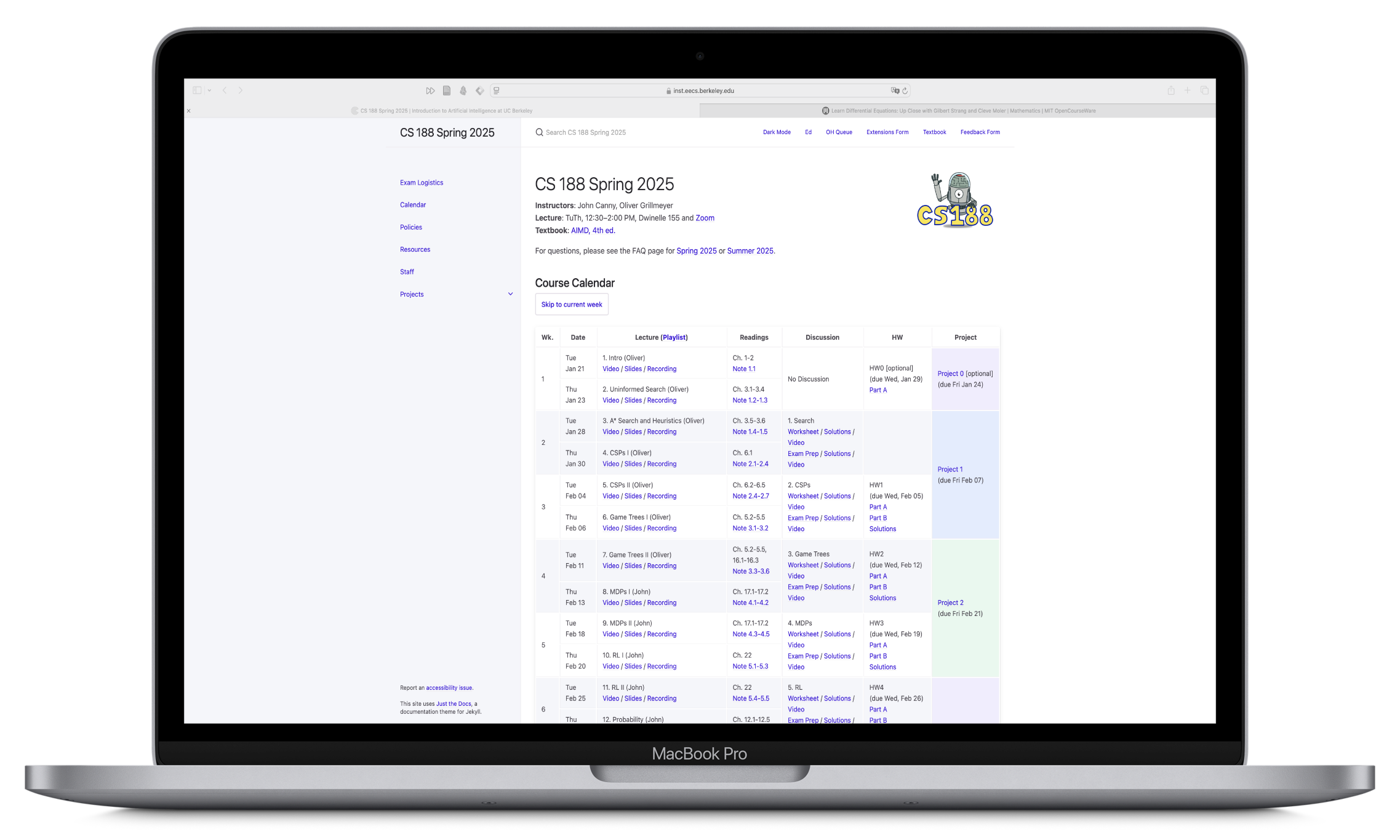
UCB CS188: Introduction to Artificial Intelligence
NN
Basic
In this blog, I am going to summary the 5 most common generative models: Auto-Regreesive Model, Variational AutoEncoder, Engery Based Model, Flow Model and Diffusion Model.…
Stanford

Stanford CS221: Artificial Intelligence: Principles and Techniques
NN
Basic
In this blog, I am going to summary the 5 most common generative models: Auto-Regreesive Model, Variational AutoEncoder, Engery Based Model, Flow Model and Diffusion Model.…
Stanford
No matching items

Machine Learning & Deep Learning Basic

Coursera: Machine Learning Specialization
NN
Basic
In this blog, I am going to summary the 5 most common generative models: Auto-Regreesive Model, Variational AutoEncoder, Engery Based Model, Flow Model and Diffusion Model.…
Stanford

Coursera: Deep Learning Specialization
NN
Basic
In this blog, I am going to summary the 5 most common generative models: Auto-Regreesive Model, Variational AutoEncoder, Engery Based Model, Flow Model and Diffusion Model.…
Stanford

CS4780: Machine Learning for Intelligent Systems
NN
Basic
In this blog, I am going to summary the 5 most common generative models: Auto-Regreesive Model, Variational AutoEncoder, Engery Based Model, Flow Model and Diffusion Model.…
Stanford

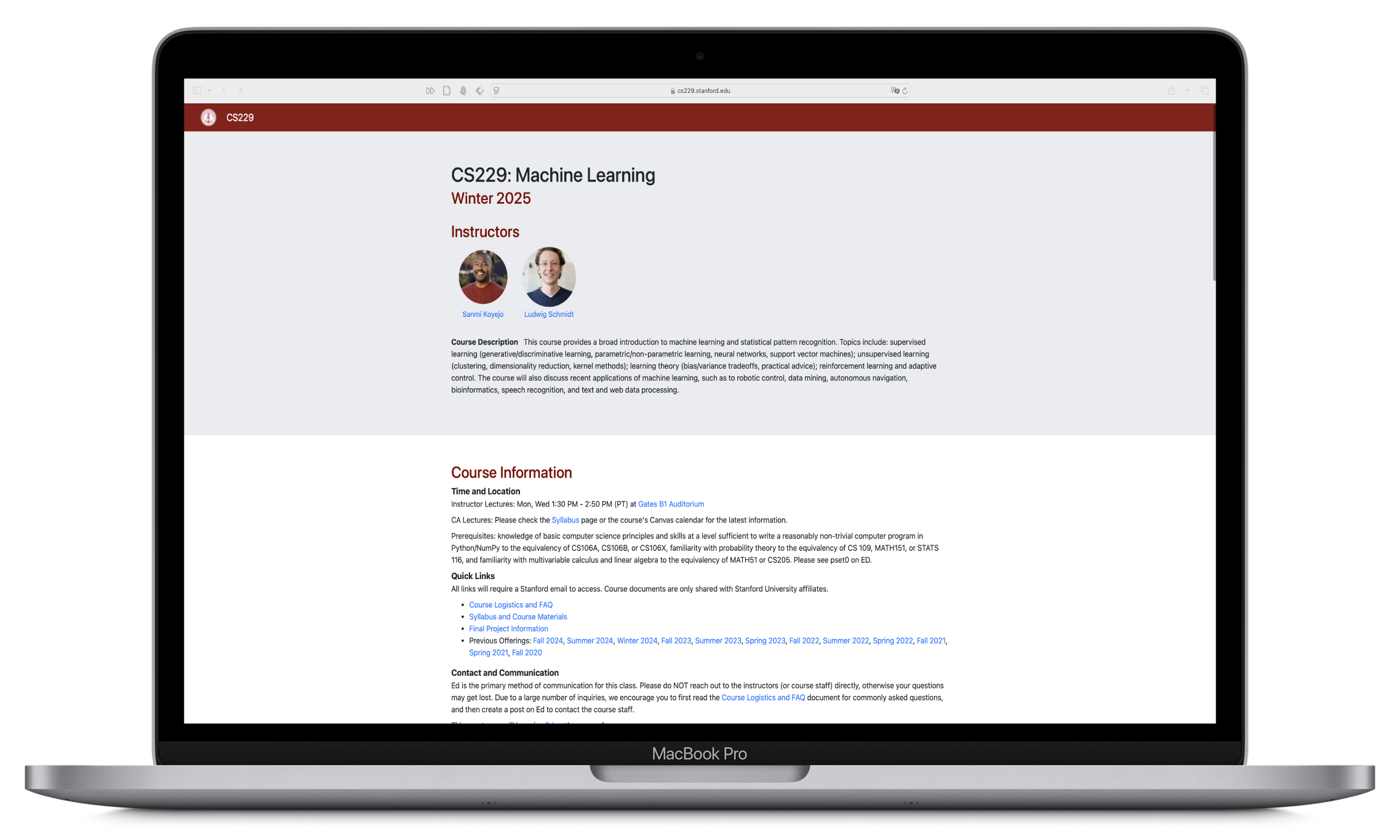
Stanford CS229: Machine Learning
NN
Basic
In this blog, I am going to summary the 5 most common generative models: Auto-Regreesive Model, Variational AutoEncoder, Engery Based Model, Flow Model and Diffusion Model.…
Stanford

UCB CS182/282A: Designing, Visualizing and Understanding Deep Neural Networks
NN
Basic
In this blog, I am going to summary the 5 most common generative models: Auto-Regreesive Model, Variational AutoEncoder, Engery Based Model, Flow Model and Diffusion Model.…
Stanford

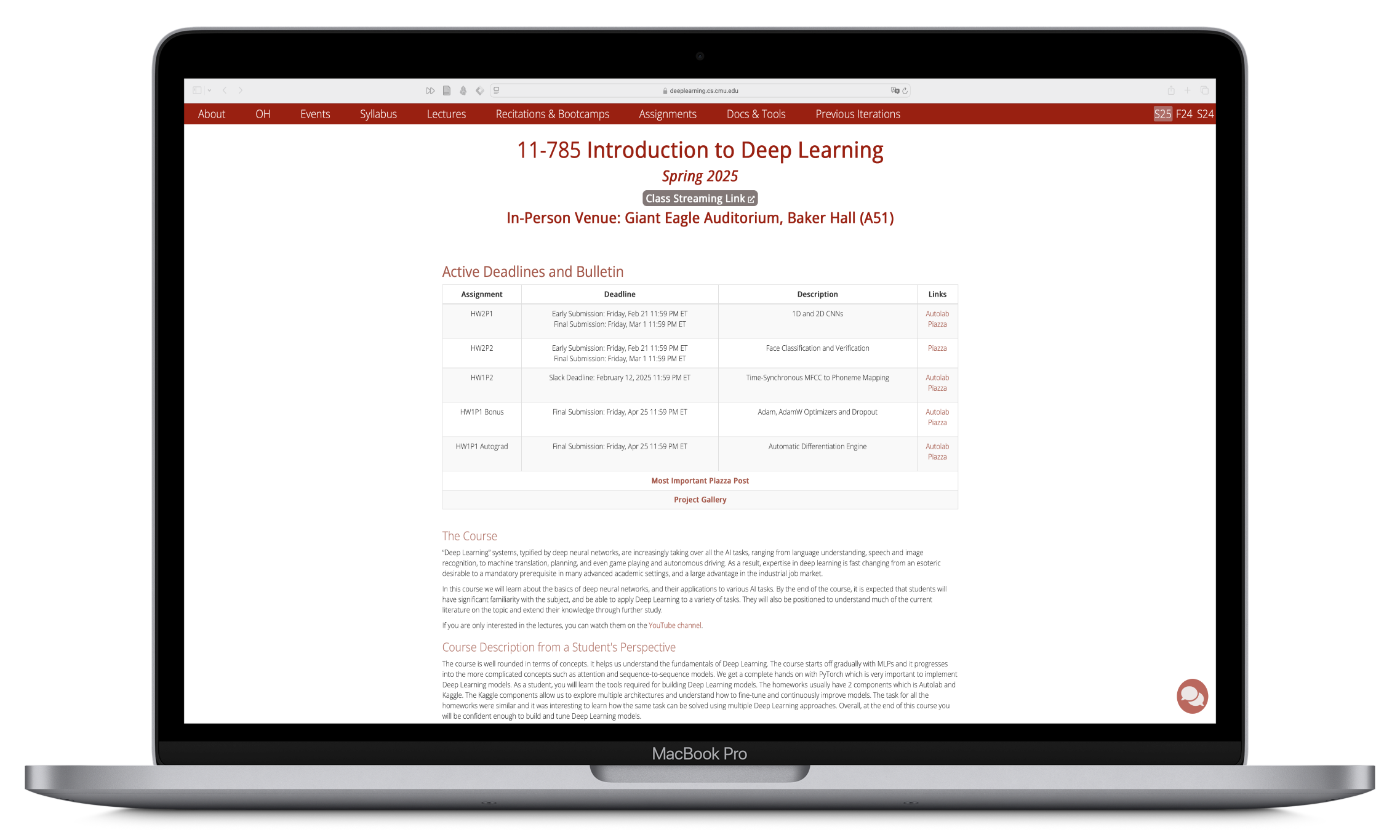
CMU 11-785: Introduction to Deep Learning
NN
Basic
In this blog, I am going to summary the 5 most common generative models: Auto-Regreesive Model, Variational AutoEncoder, Engery Based Model, Flow Model and Diffusion Model.…
CMU

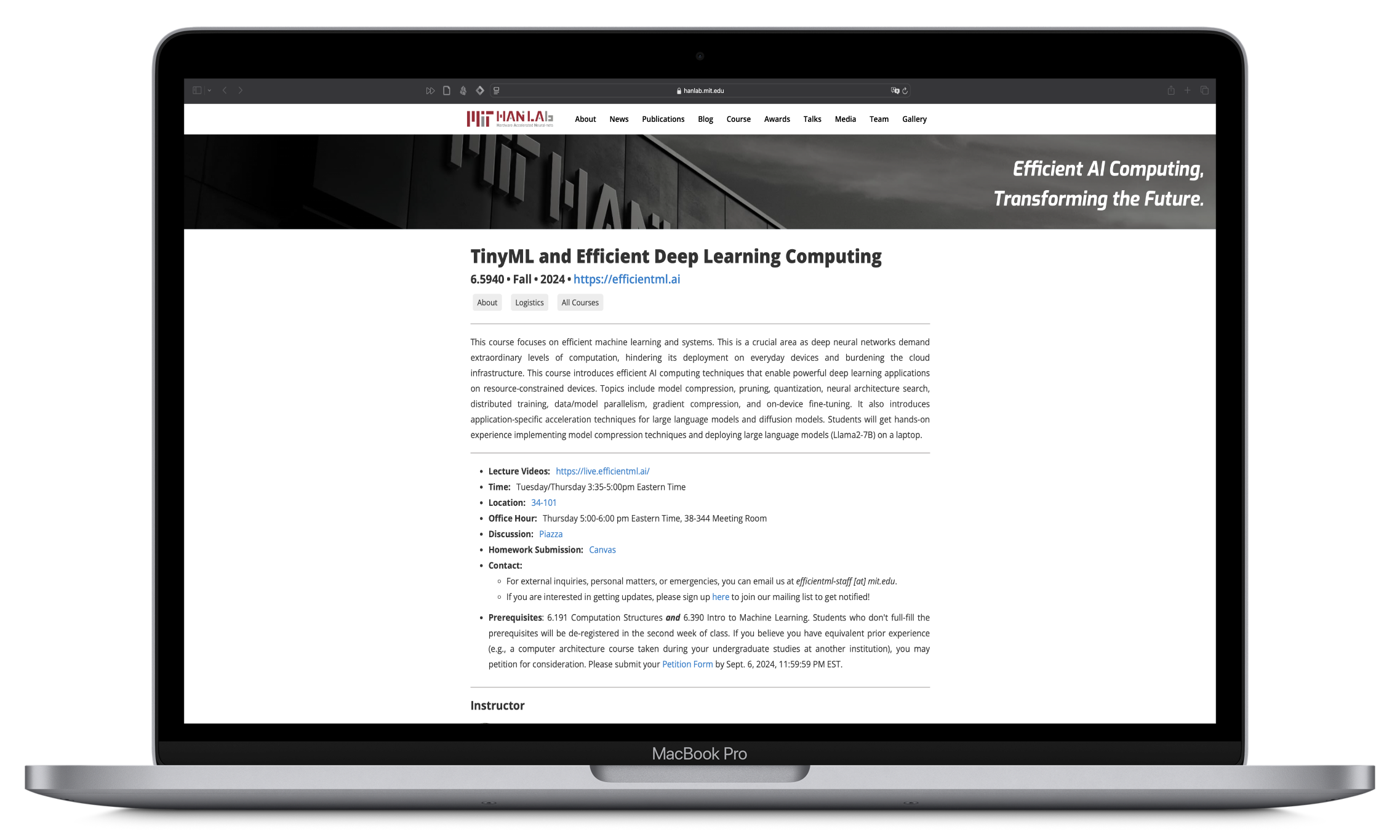
MIT 6.5940: TinyML and Efficient Deep Learning Computing
NN
Basic
In this blog, I am going to summary the 5 most common generative models: Auto-Regreesive Model, Variational AutoEncoder, Engery Based Model, Flow Model and Diffusion Model.…
MIT
No matching items

Applications

Computer Vision

CS231n: Deep Learning for Computer Vision
NN
Basic
In this blog, I am going to summary the 5 most common generative models: Auto-Regreesive Model, Variational AutoEncoder, Engery Based Model, Flow Model and Diffusion Model.…
Stanford
No matching items

Natural Language Processing

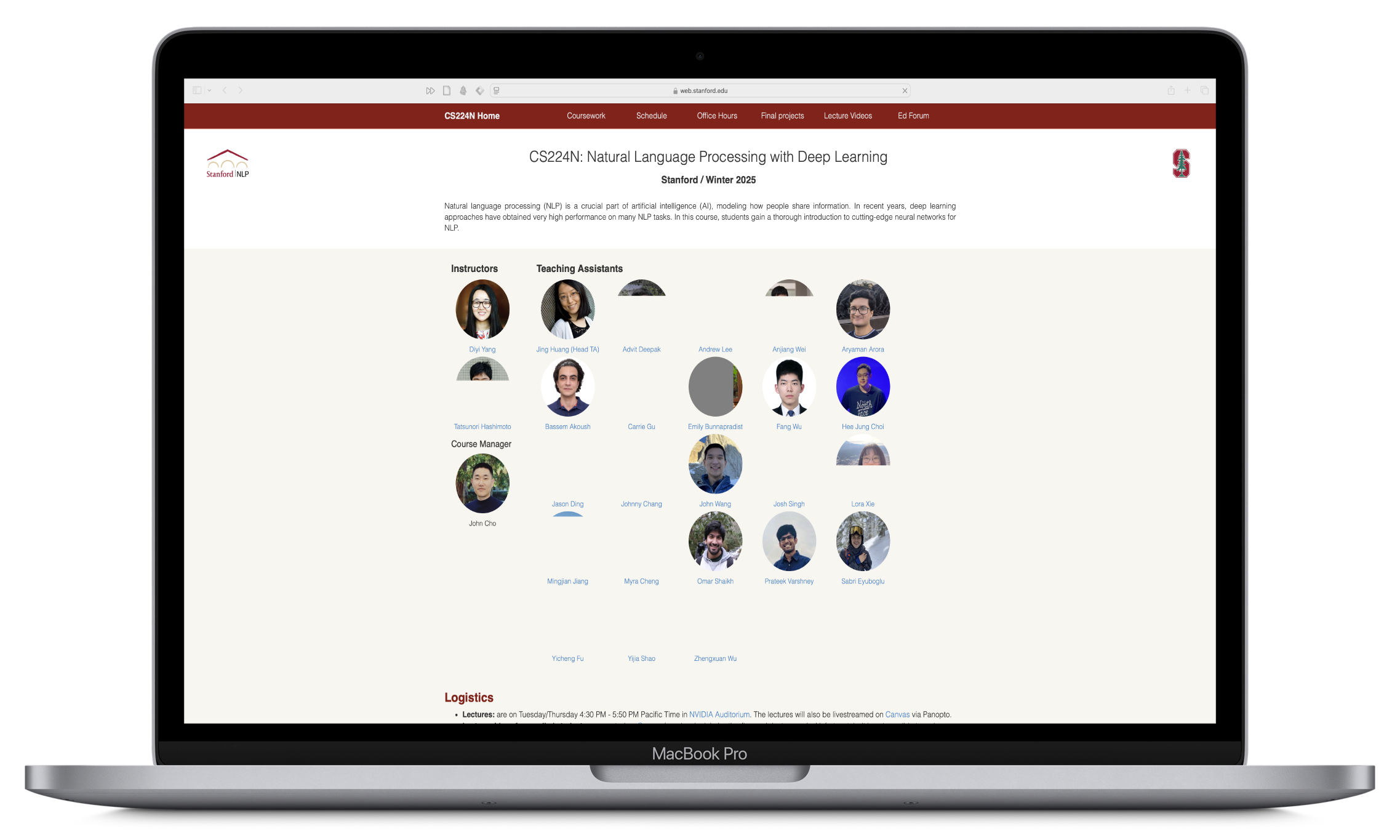
Stanford CS224N: Natural Language Processing with Deep Learning
NN
Basic
In this blog, I am going to summary the 5 most common generative models: Auto-Regreesive Model, Variational AutoEncoder, Engery Based Model, Flow Model and Diffusion Model.…
Stanford

CMU 11-711: Advanced NLP
NN
Basic
In this blog, I am going to summary the 5 most common generative models: Auto-Regreesive Model, Variational AutoEncoder, Engery Based Model, Flow Model and Diffusion Model.…
Stanford

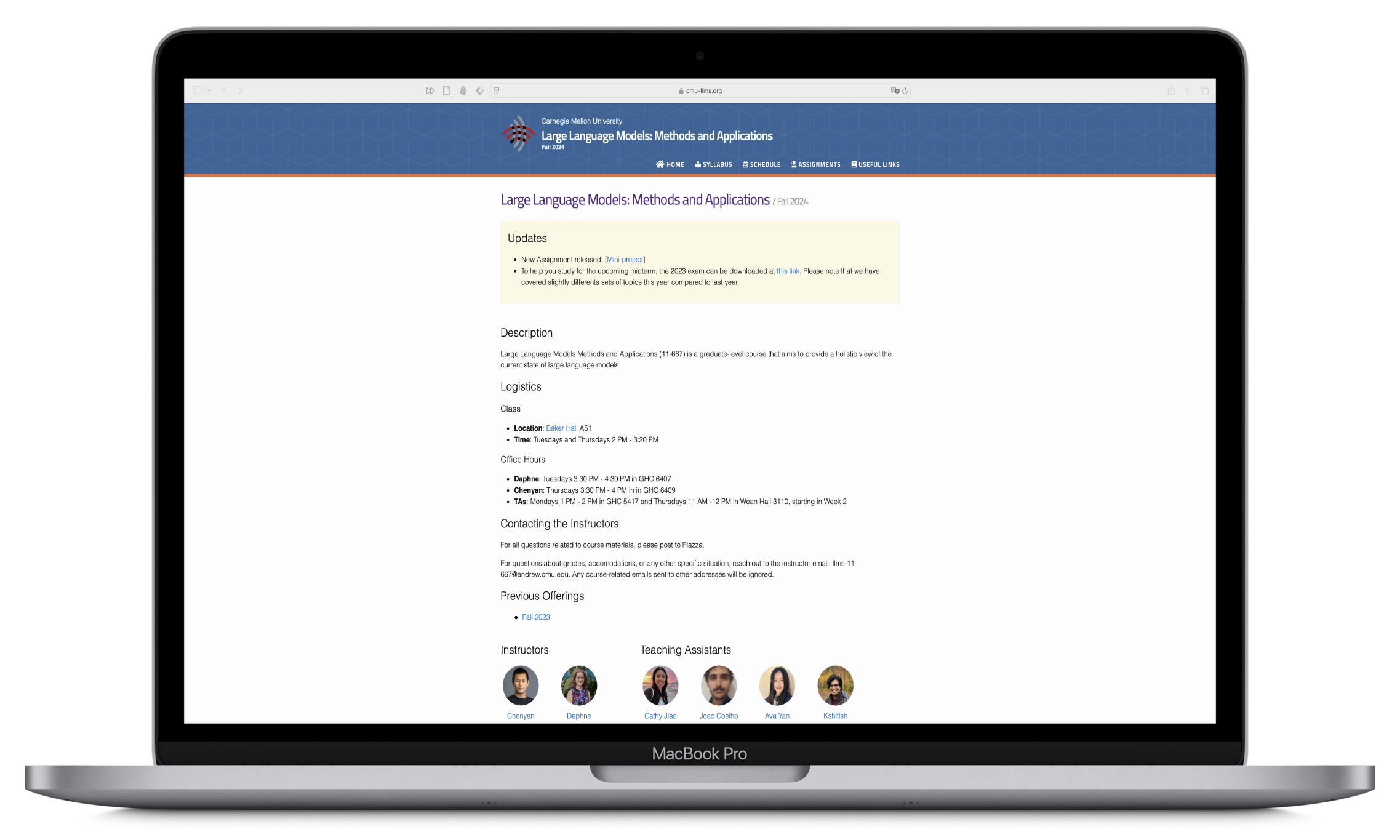
CMU 11-667:Large Language Models: Methods and Applications
NN
Basic
In this blog, I am going to summary the 5 most common generative models: Auto-Regreesive Model, Variational AutoEncoder, Engery Based Model, Flow Model and Diffusion Model.…
Stanford

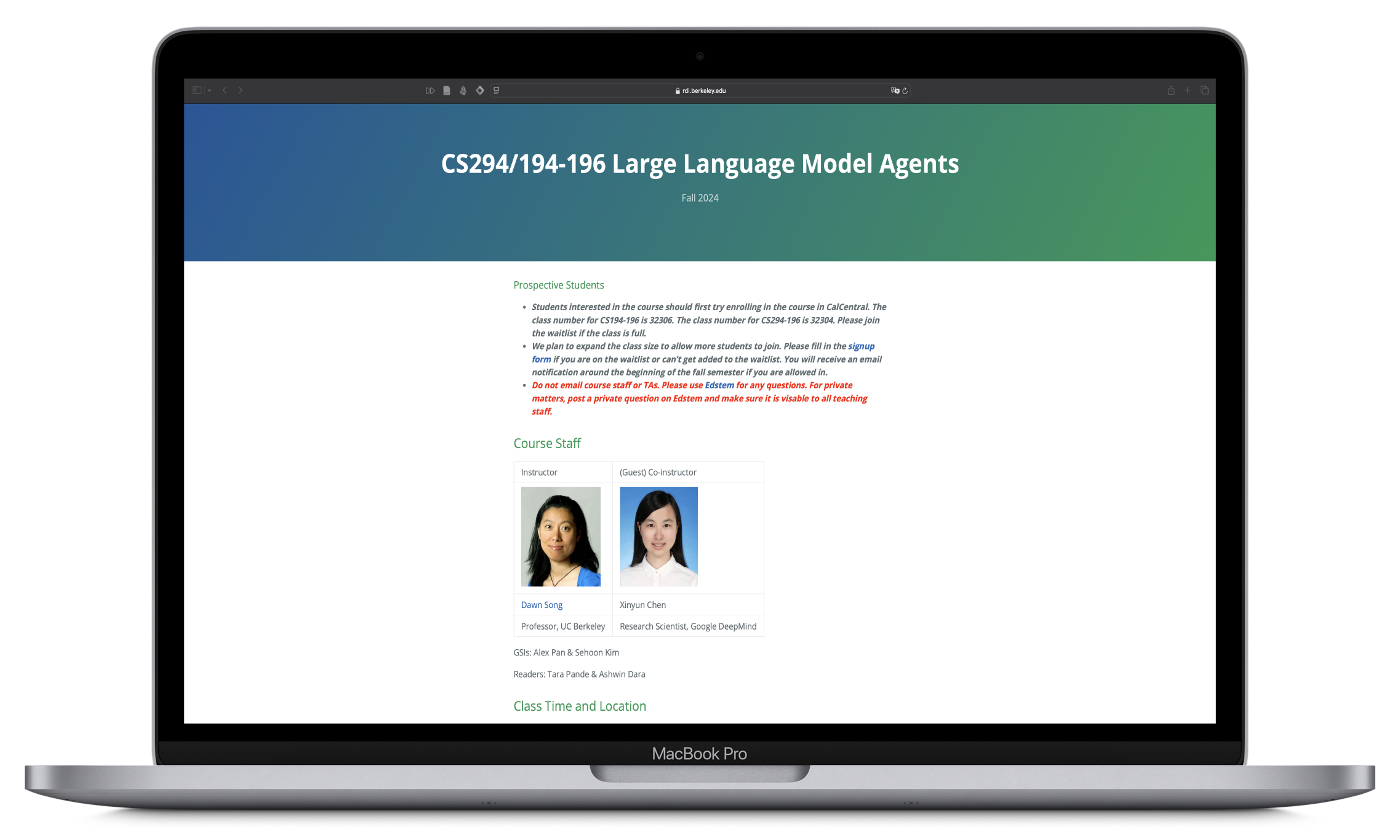
UCB CS294/194-196 Large Language Model Agents
⭐️⭐️⭐️
This course focuses on the development and application of Large Language Models (LLMs) as agents capable of interacting with the world and performing various tasks. The…
UCB

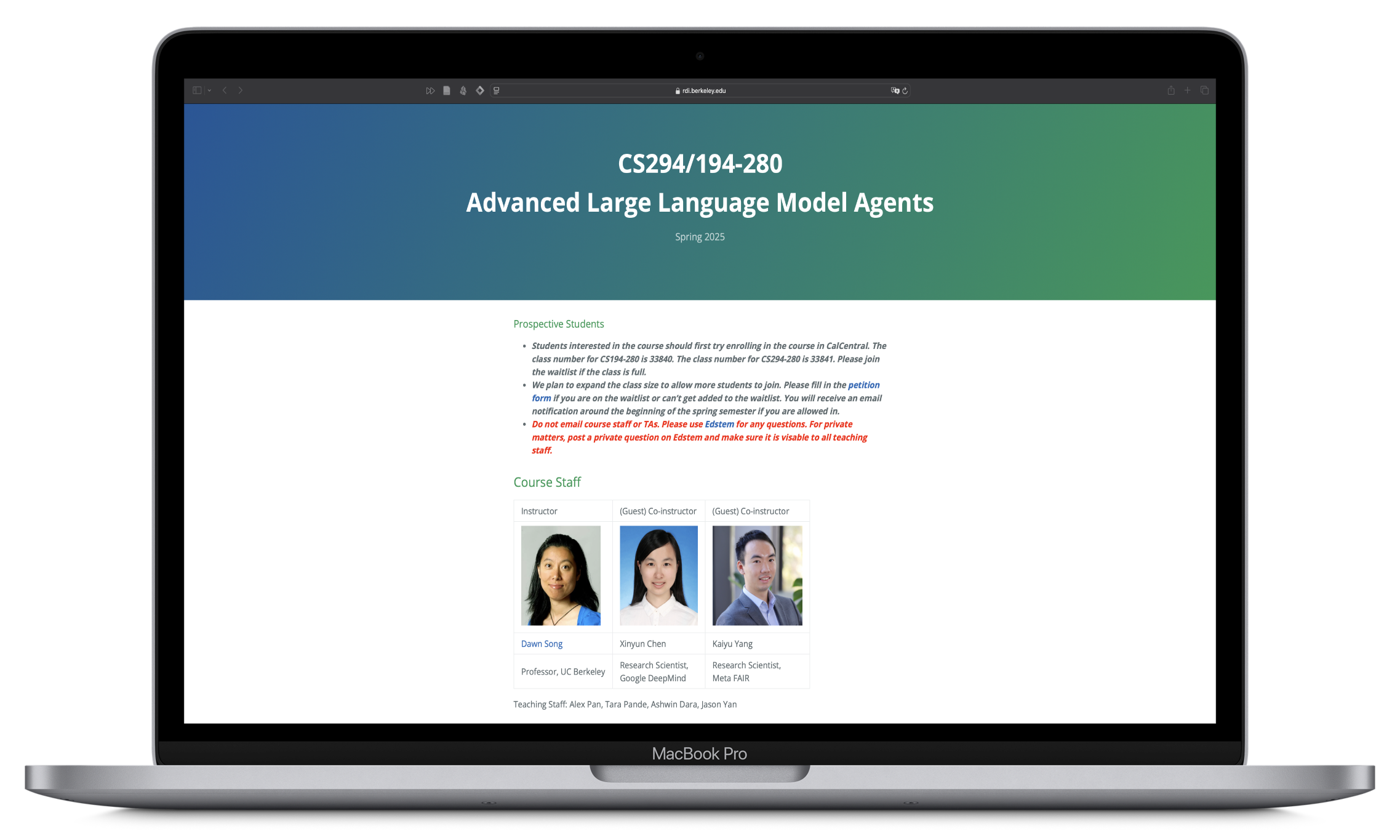
UCB CS294/194-196: Advanced Large Language Model Agents
NN
Basic
In this blog, I am going to summary the 5 most common generative models: Auto-Regreesive Model, Variational AutoEncoder, Engery Based Model, Flow Model and Diffusion Model.…
UCB
No matching items

Reinforcement Learning & Robotics

Stanford CS234: Reinforcement Learning
NN
Basic
In this blog, I am going to summary the 5 most common generative models: Auto-Regreesive Model, Variational AutoEncoder, Engery Based Model, Flow Model and Diffusion Model.…
Stanford

UCB CS182/282A: Designing, Visualizing and Understanding Deep Neural Networks
NN
Basic
In this blog, I am going to summary the 5 most common generative models: Auto-Regreesive Model, Variational AutoEncoder, Engery Based Model, Flow Model and Diffusion Model.…
Stanford
No matching items

Generative Models

Stanford CS236: Deep Generative Models
NN
Basic
In this blog, I am going to summary the 5 most common generative models: Auto-Regreesive Model, Variational AutoEncoder, Engery Based Model, Flow Model and Diffusion Model.…
Stanford

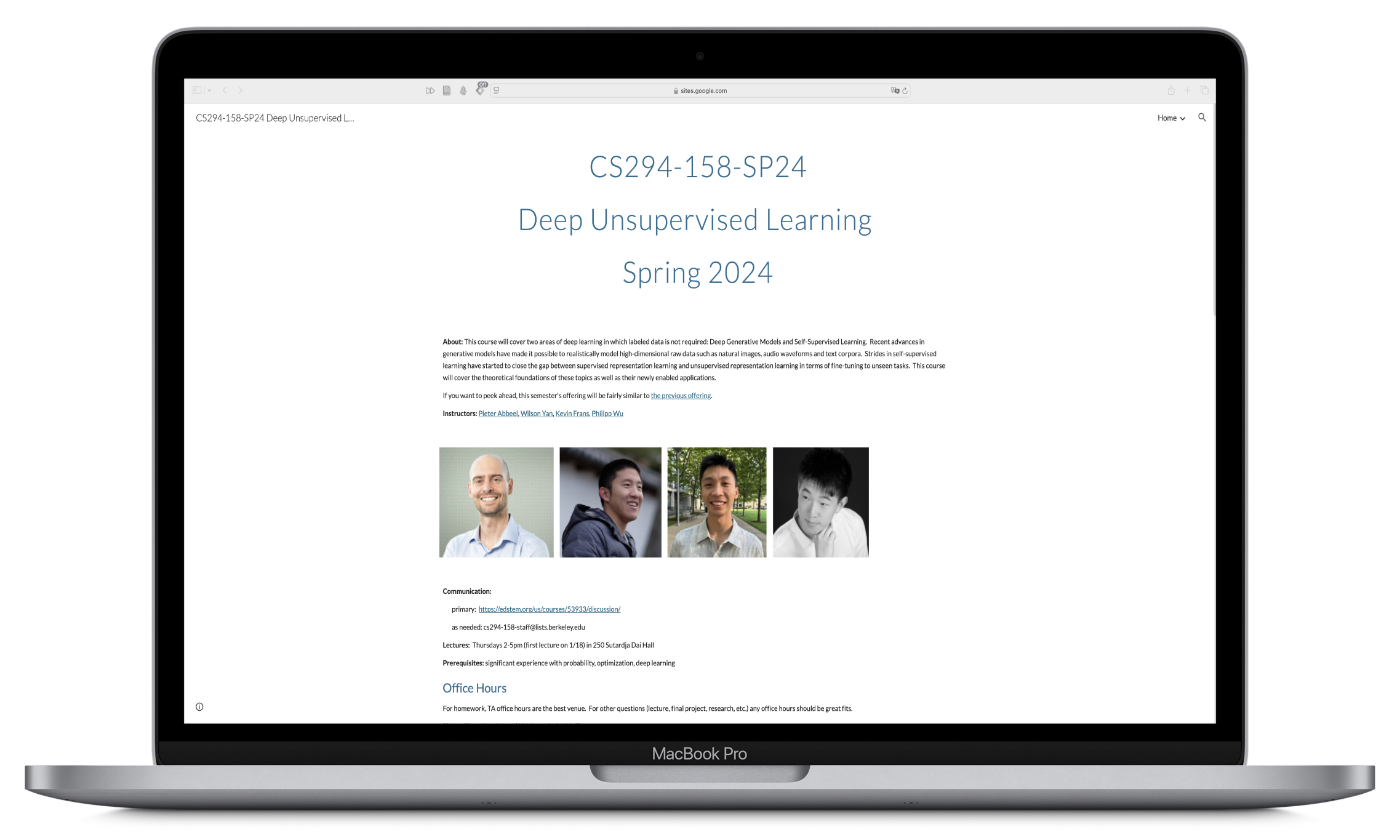
UCB CS294-158: Deep Unsupervised Learning
NN
Basic
In this blog, I am going to summary the 5 most common generative models: Auto-Regreesive Model, Variational AutoEncoder, Engery Based Model, Flow Model and Diffusion Model.…
Stanford
No matching items

Others

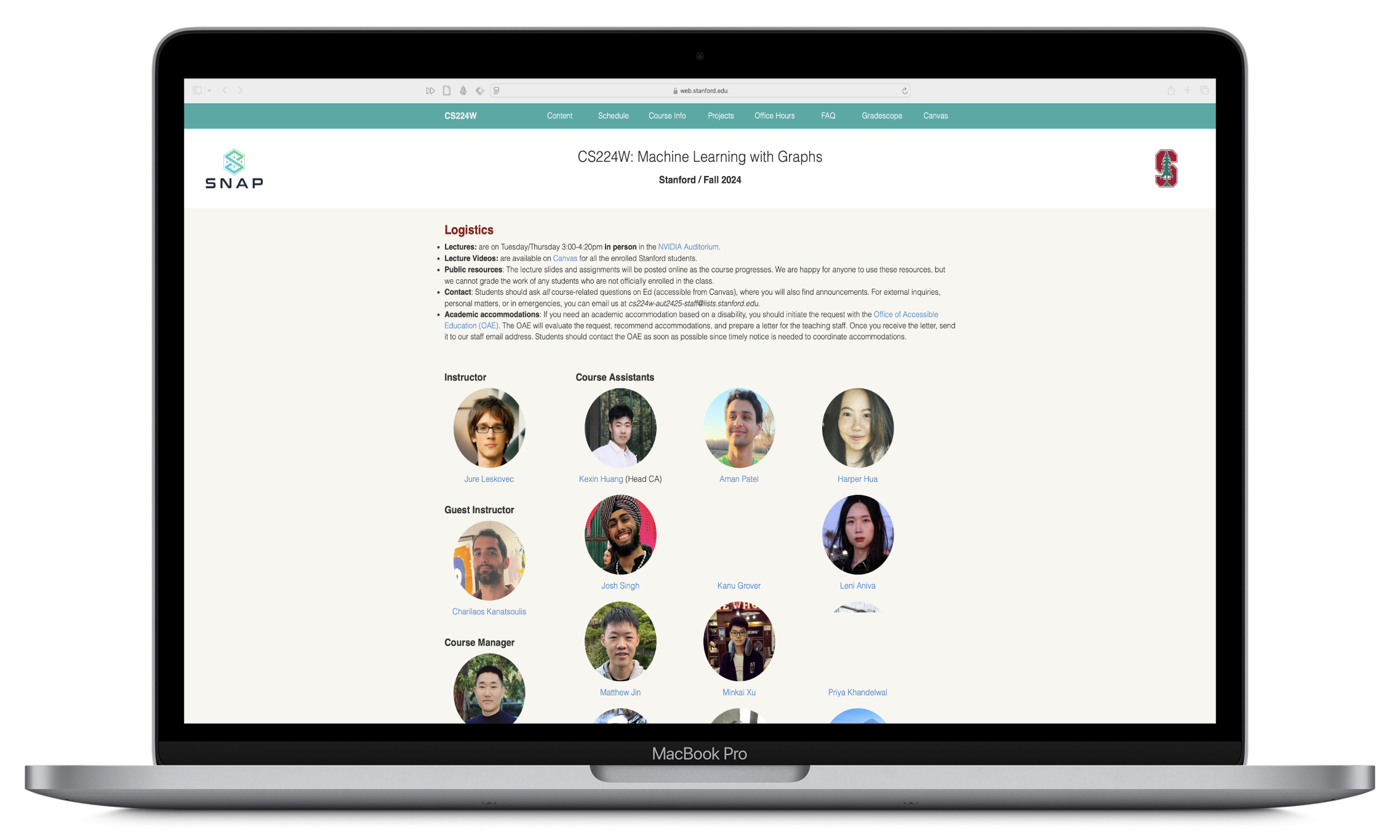
Stanford CS224W: Machine Learning with Graphs
NN
Basic
In this blog, I am going to summary the 5 most common generative models: Auto-Regreesive Model, Variational AutoEncoder, Engery Based Model, Flow Model and Diffusion Model.…
Stanford

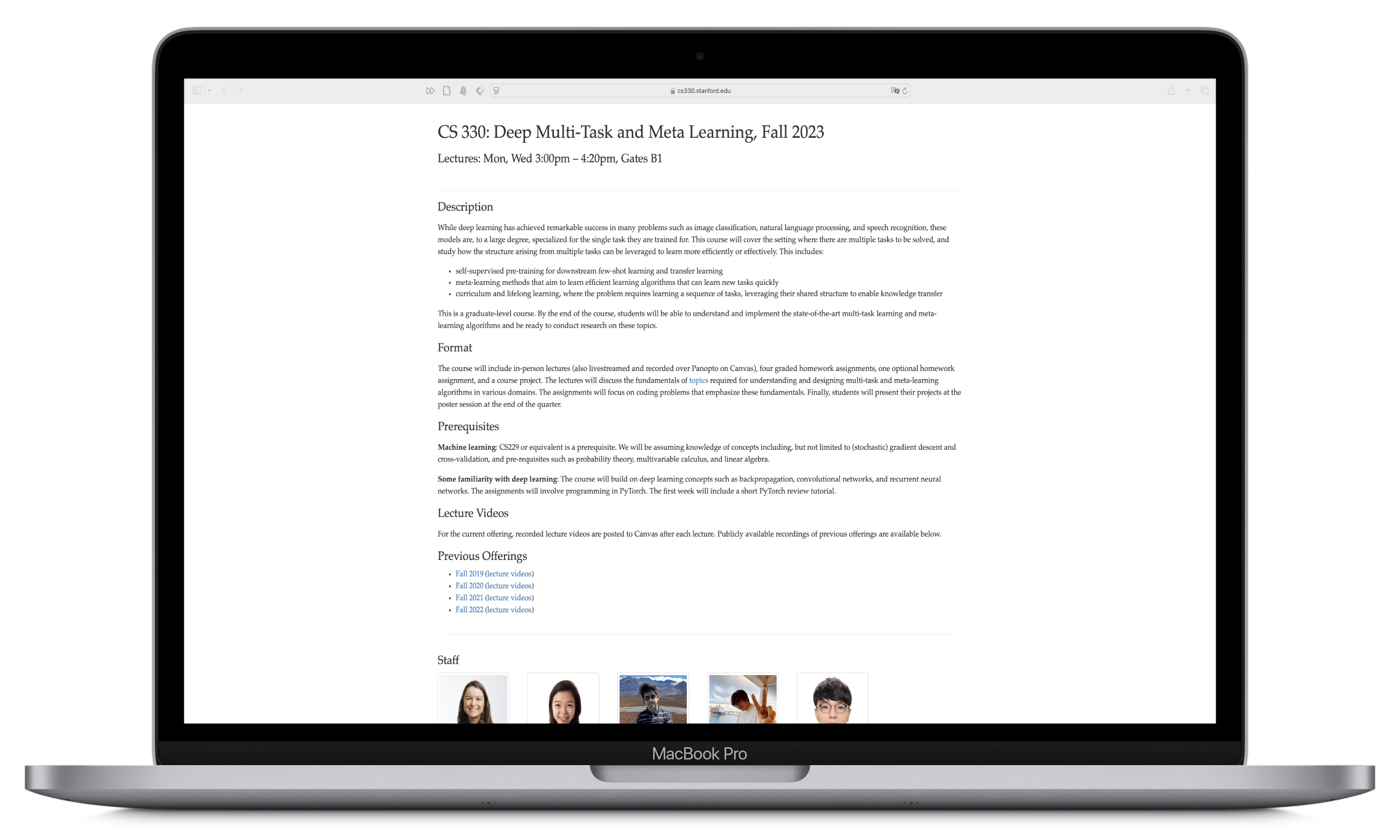
Stanford CS 330: Deep Multi-Task and Meta Learning
NN
Basic
In this blog, I am going to summary the 5 most common generative models: Auto-Regreesive Model, Variational AutoEncoder, Engery Based Model, Flow Model and Diffusion Model.…
Stanford

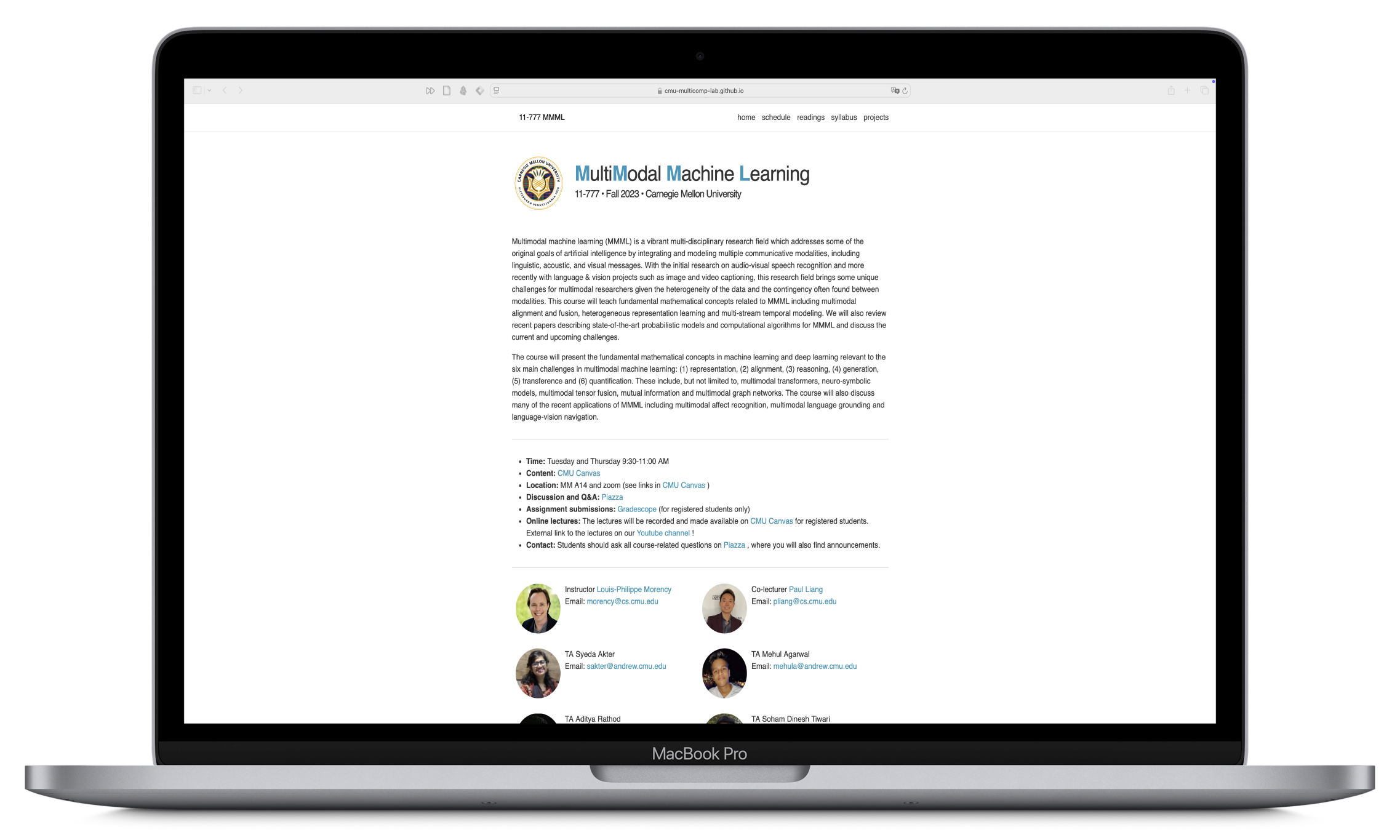
CMU 11-777: MultiModal Machine Learning
NN
Basic
In this blog, I am going to summary the 5 most common generative models: Auto-Regreesive Model, Variational AutoEncoder, Engery Based Model, Flow Model and Diffusion Model.…
Stanford

Stanford CS246: Mining Massive Data Sets
NN
Basic
In this blog, I am going to summary the 5 most common generative models: Auto-Regreesive Model, Variational AutoEncoder, Engery Based Model, Flow Model and Diffusion Model.…
Stanford
No matching items

ML/DL System & Hardware

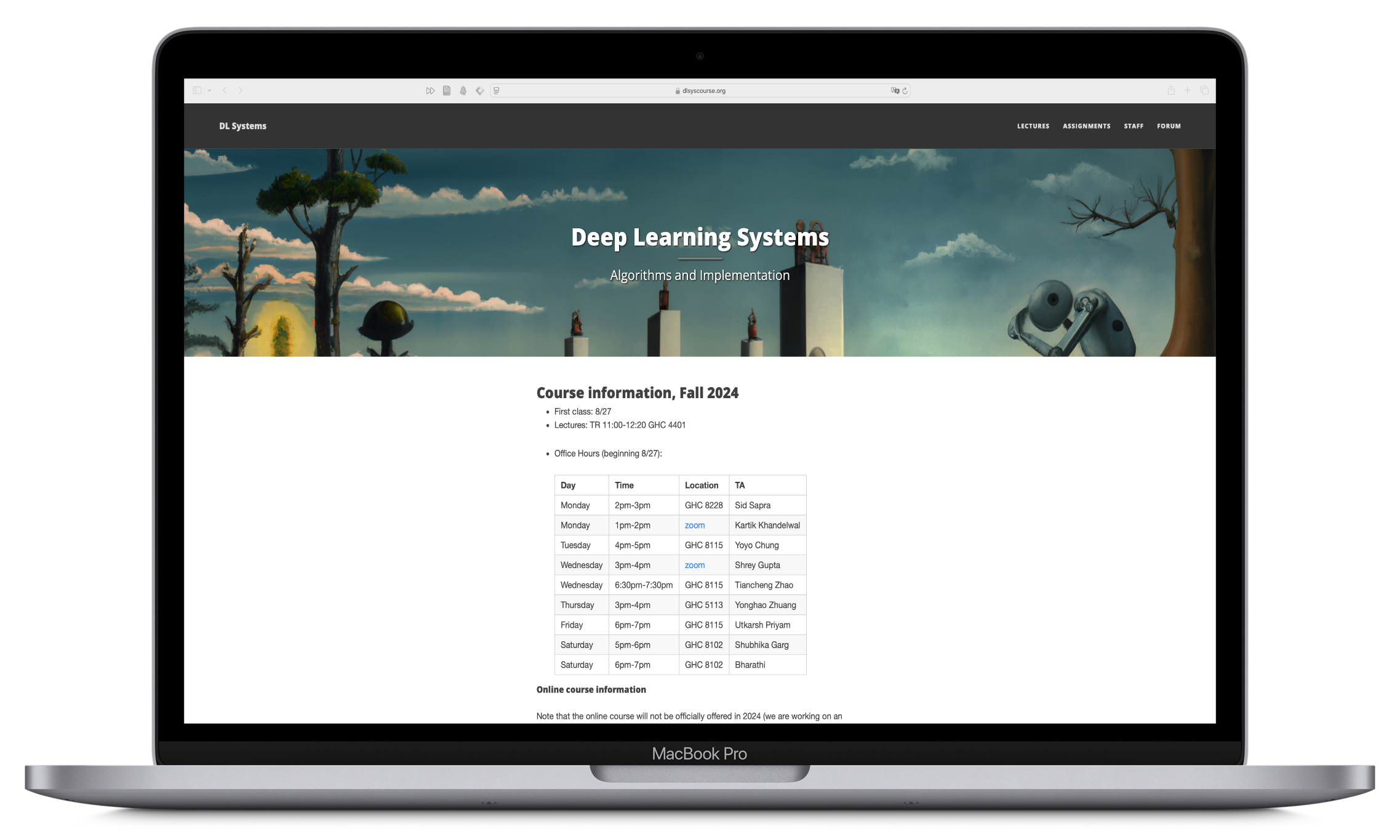
CMU 11-714: Deep Learning Systems
NN
Basic
In this blog, I am going to summary the 5 most common generative models: Auto-Regreesive Model, Variational AutoEncoder, Engery Based Model, Flow Model and Diffusion Model.…
Stanford

CMU 15-849: Machine Learning Systems
NN
Basic
In this blog, I am going to summary the 5 most common generative models: Auto-Regreesive Model, Variational AutoEncoder, Engery Based Model, Flow Model and Diffusion Model.…
Stanford

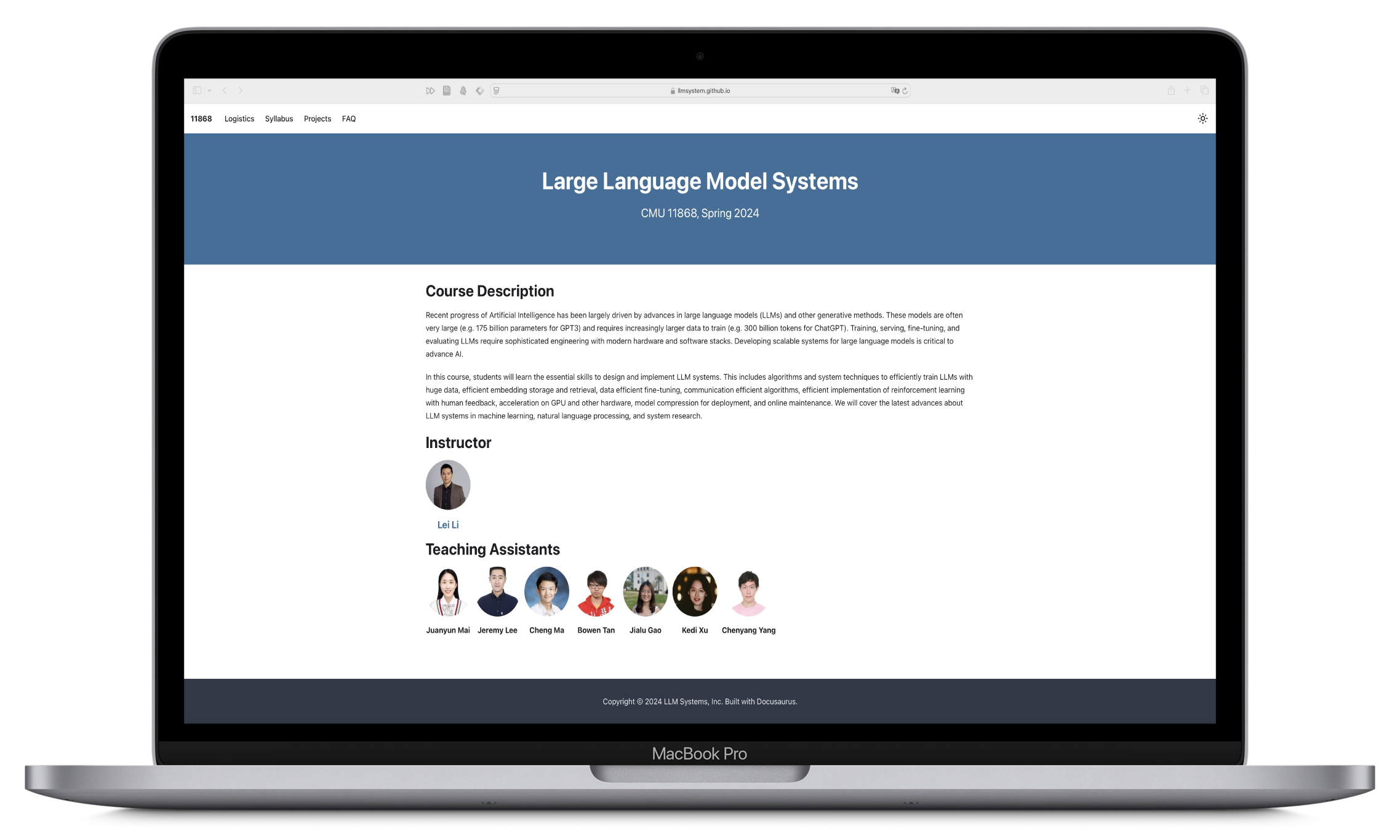
CMU 11-868: Large Language Model Systems
NN
Basic
In this blog, I am going to summary the 5 most common generative models: Auto-Regreesive Model, Variational AutoEncoder, Engery Based Model, Flow Model and Diffusion Model.…
Stanford

CS 5775: Machine Learning Hardware and Systems
NN
Basic
In this blog, I am going to summary the 5 most common generative models: Auto-Regreesive Model, Variational AutoEncoder, Engery Based Model, Flow Model and Diffusion Model.…
Stanford

GPU Mode
NN
Basic
In this blog, I am going to summary the 5 most common generative models: Auto-Regreesive Model, Variational AutoEncoder, Engery Based Model, Flow Model and Diffusion Model.…
Stanford
No matching items

Other Resources

Youtuber

Steve Brunton

MIT OpenCourseWare is a web-based publication of virtually all MIT course content. OCW is open and available to the world and is a permanent MIT activity.

Andrej Karpathy

MIT OpenCourseWare is a web-based publication of virtually all MIT course content. OCW is open and available to the world and is a permanent MIT activity.

3Blue1Brown

MIT OpenCourseWare is a web-based publication of virtually all MIT course content. OCW is open and available to the world and is a permanent MIT activity.

StatQuest with Josh Starmer

Lex Fridman

MIT OpenCourseWare is a web-based publication of virtually all MIT course content. OCW is open and available to the world and is a permanent MIT activity.

No matching items

Blogs

Lil’Log

MIT OpenCourseWare is a web-based publication of virtually all MIT course content. OCW is open and available to the world and is a permanent MIT activity.

The Real-World ML Blog

MIT OpenCourseWare is a web-based publication of virtually all MIT course content. OCW is open and available to the world and is a permanent MIT activity.

Hugging Face Daily Paper

MIT OpenCourseWare is a web-based publication of virtually all MIT course content. OCW is open and available to the world and is a permanent MIT activity.

No matching items

Books

Pattern Recognition and Machine Learning

MIT OpenCourseWare is a web-based publication of virtually all MIT course content. OCW is open and available to the world and is a permanent MIT activity.

Deep Learning: Foundations and Concepts

MIT OpenCourseWare is a web-based publication of virtually all MIT course content. OCW is open and available to the world and is a permanent MIT activity.

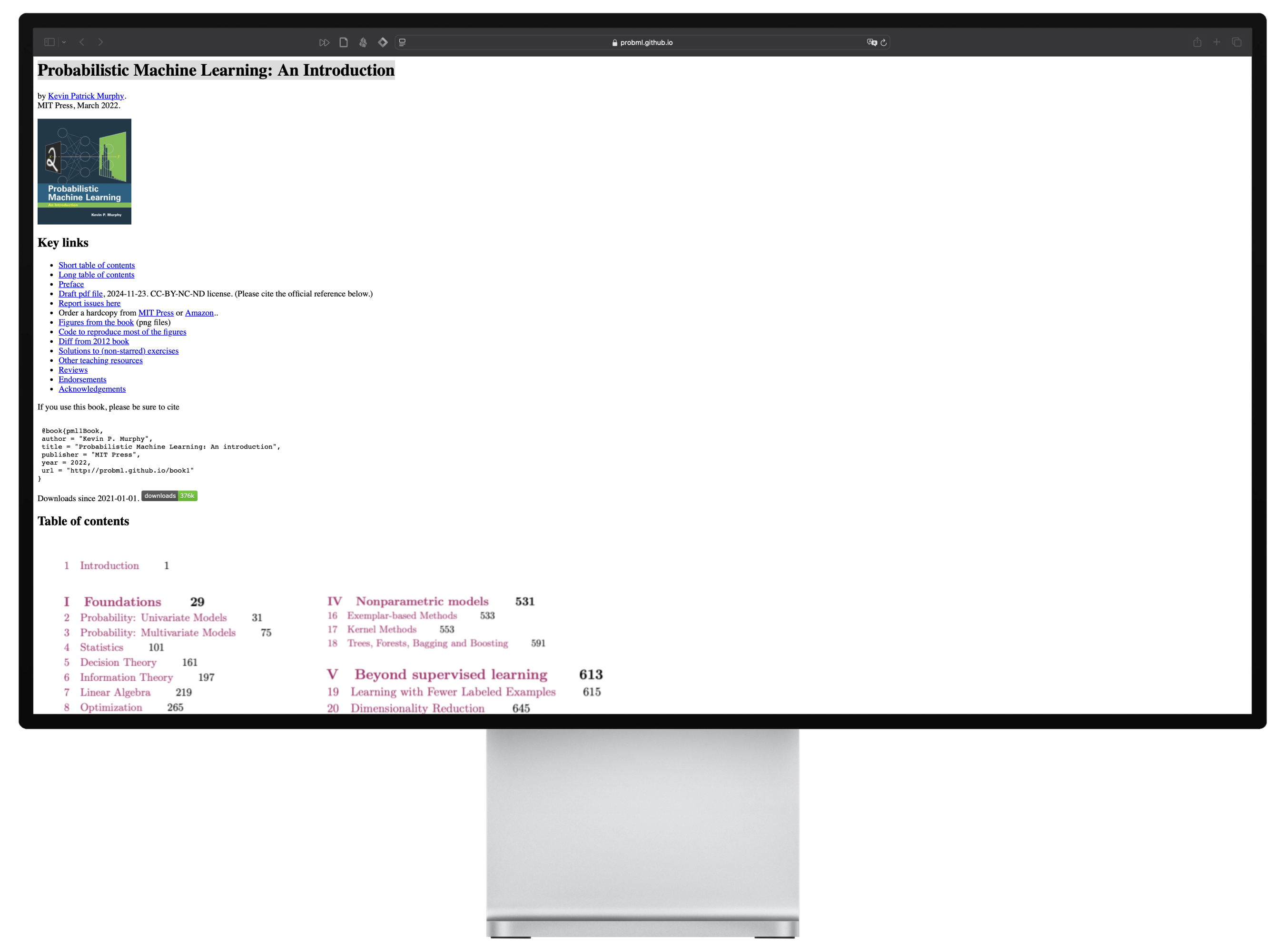
Probabilistic Machine Learning: An Introduction

MIT OpenCourseWare is a web-based publication of virtually all MIT course content. OCW is open and available to the world and is a permanent MIT activity.

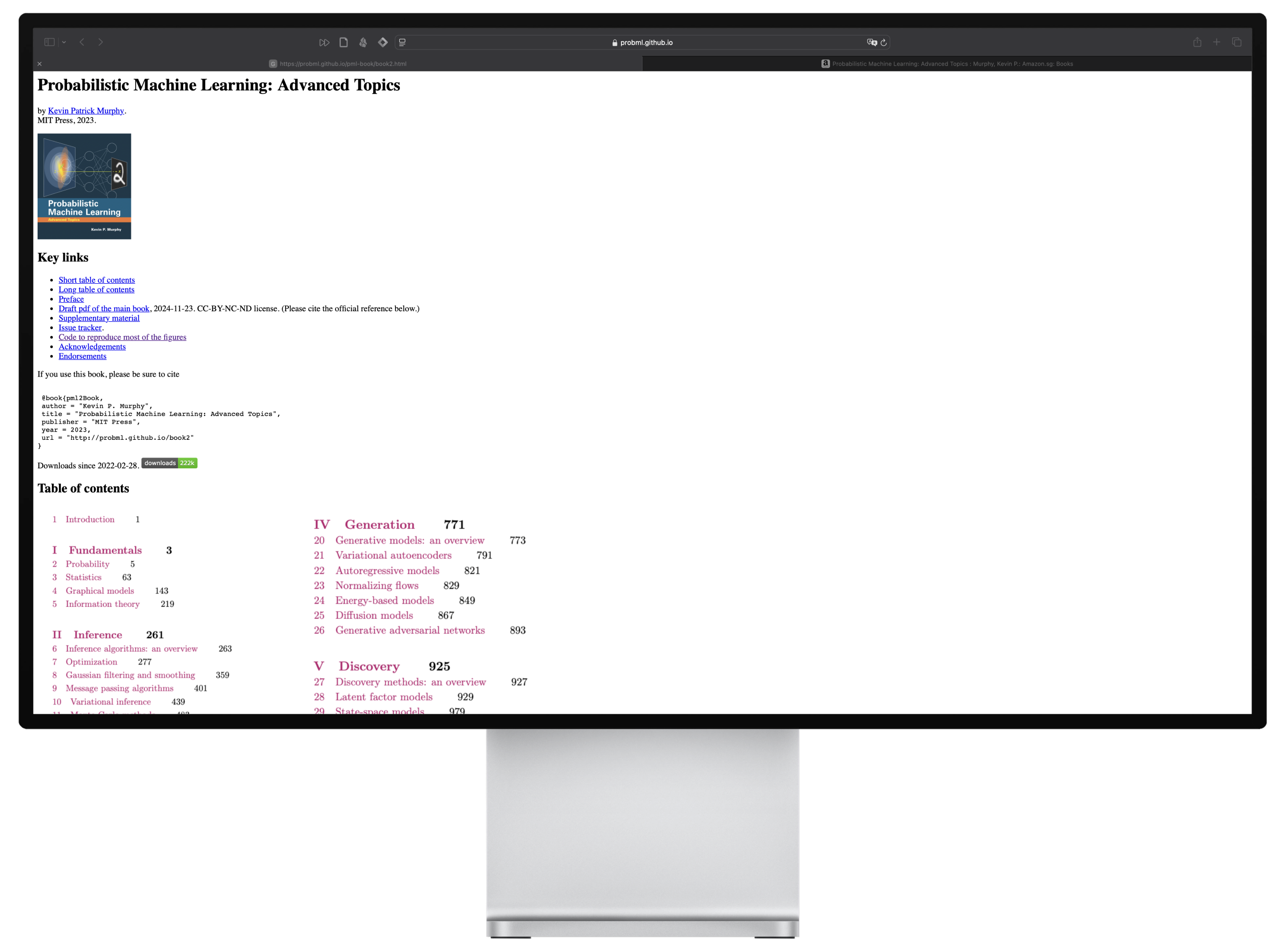
Probabilistic Machine Learning: Advanced Topics

MIT OpenCourseWare is a web-based publication of virtually all MIT course content. OCW is open and available to the world and is a permanent MIT activity.

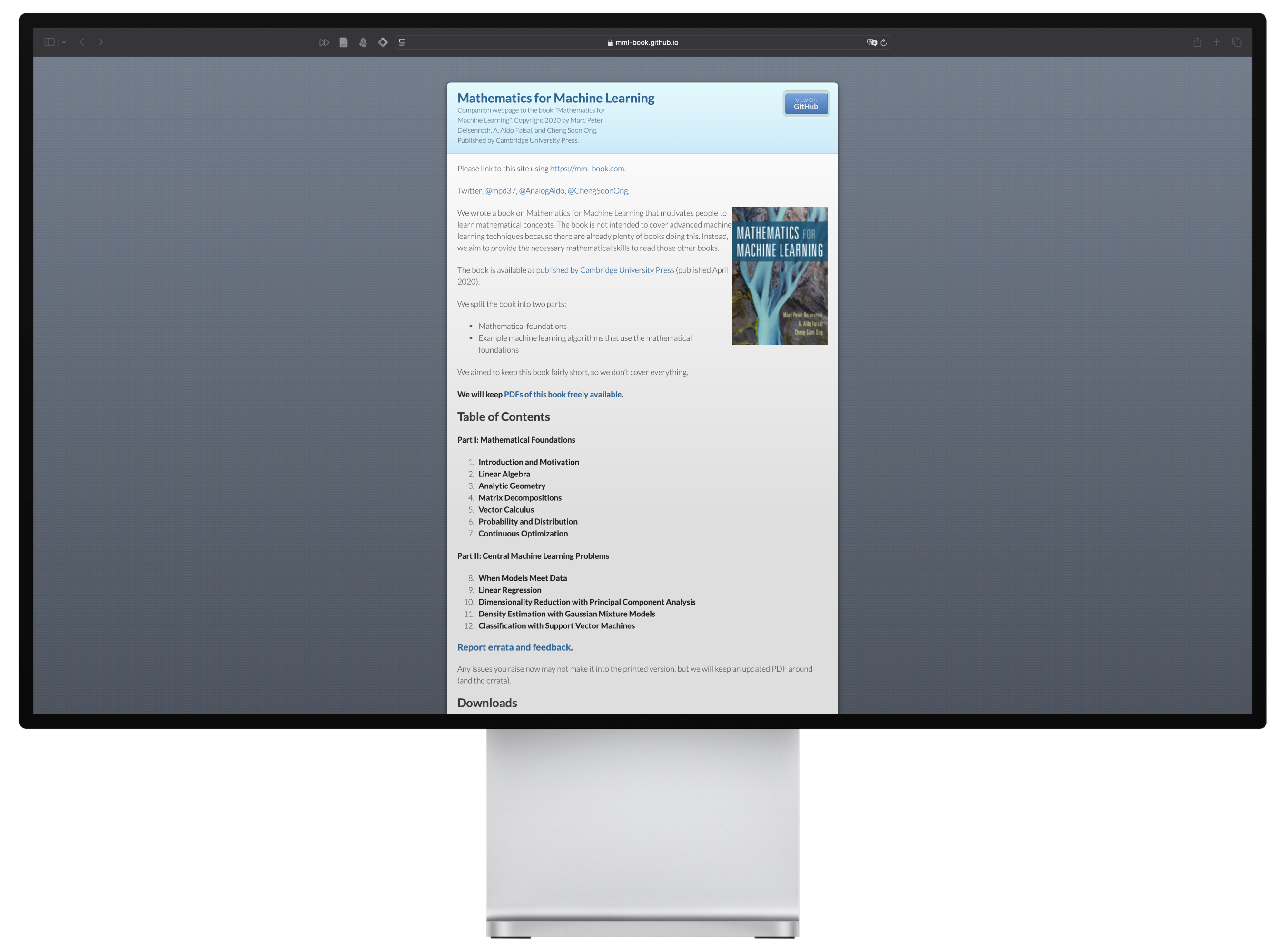
Mathematics for Machine Learning

MIT OpenCourseWare is a web-based publication of virtually all MIT course content. OCW is open and available to the world and is a permanent MIT activity.

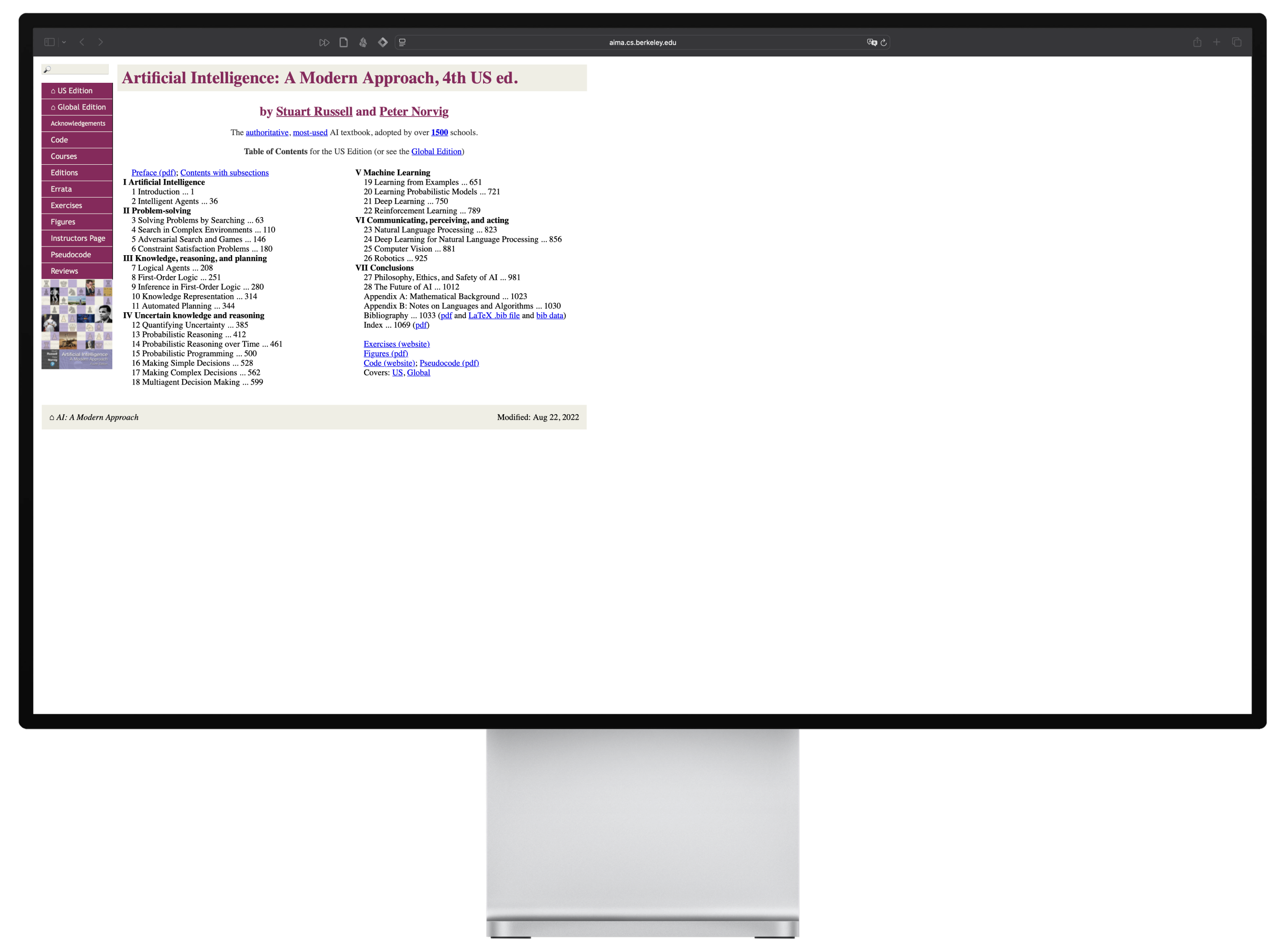
Artificial Intelligence: A Modern Approach

MIT OpenCourseWare is a web-based publication of virtually all MIT course content. OCW is open and available to the world and is a permanent MIT activity.

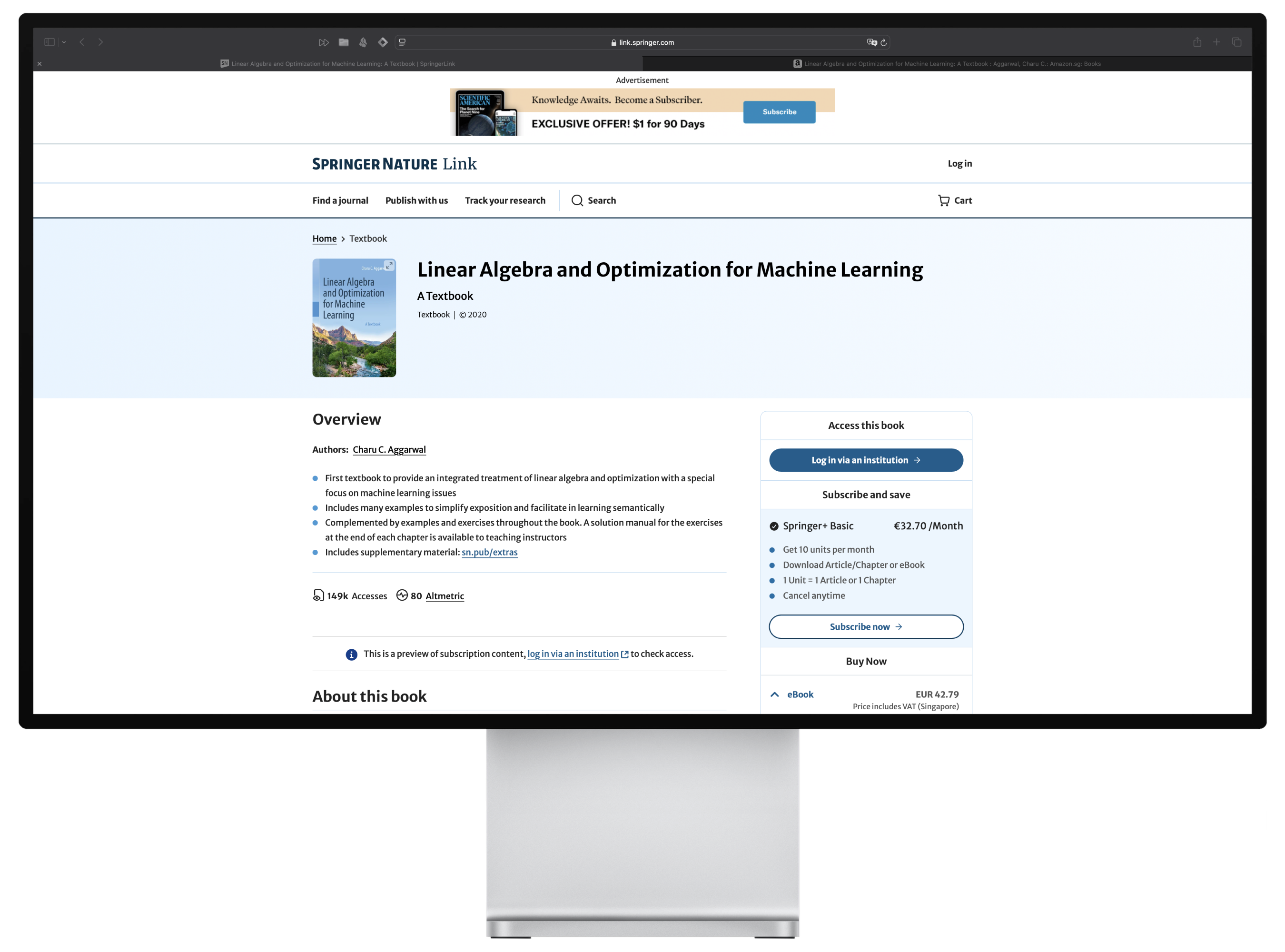
Linear Algebra and Optimization for Machine Learning: A Textbook

MIT OpenCourseWare is a web-based publication of virtually all MIT course content. OCW is open and available to the world and is a permanent MIT activity.

Statistics for High-Dimensional Data

No matching items